See the human, not the struggle
Introducing Ingen barn drømmer å bli rusavhengig

Ingen drømmer om å bli rusavhengig

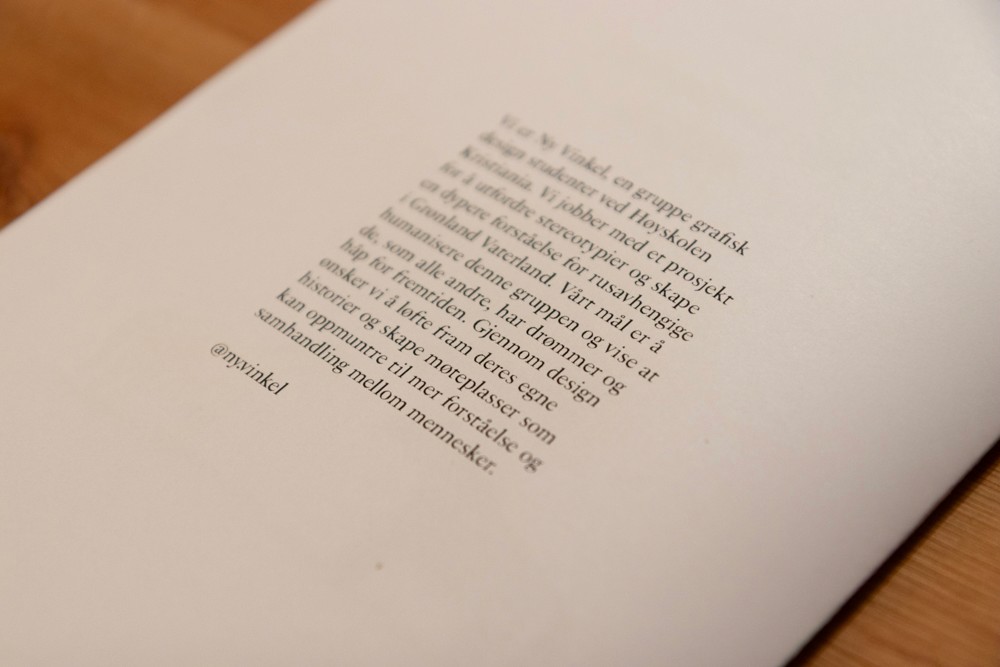
Ingen barn drømmer om å bli rusavhengig (No child dreams of becoming a drug addict) is a collaborative project aimed at challenge stereotypes and fostering greater understanding for drug user in Grønland/Vaterland area in Oslo.

The goal was to humanize individual struggling with drug addiction to highlight that they, like anyone else, have hopes and dream.

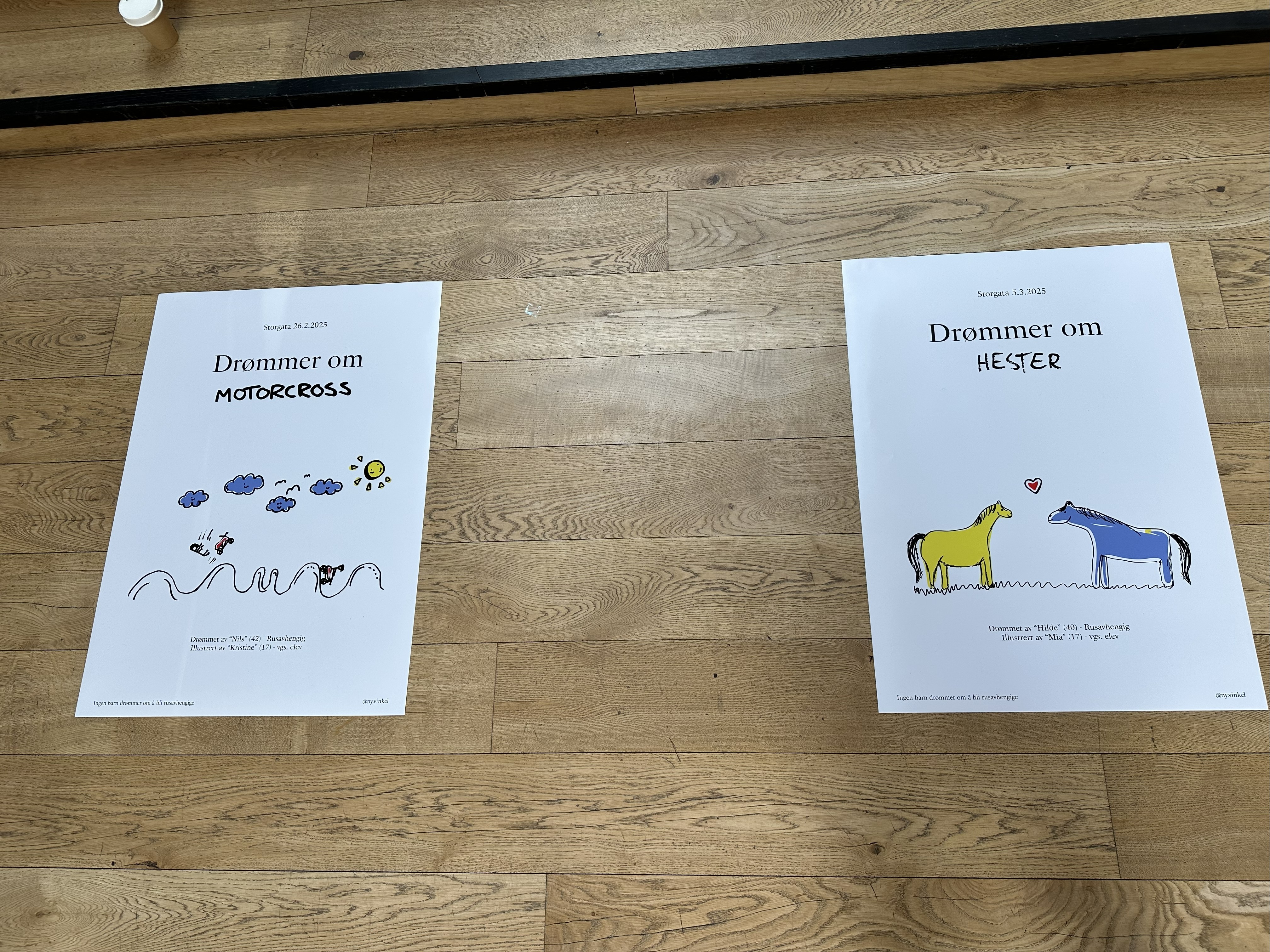
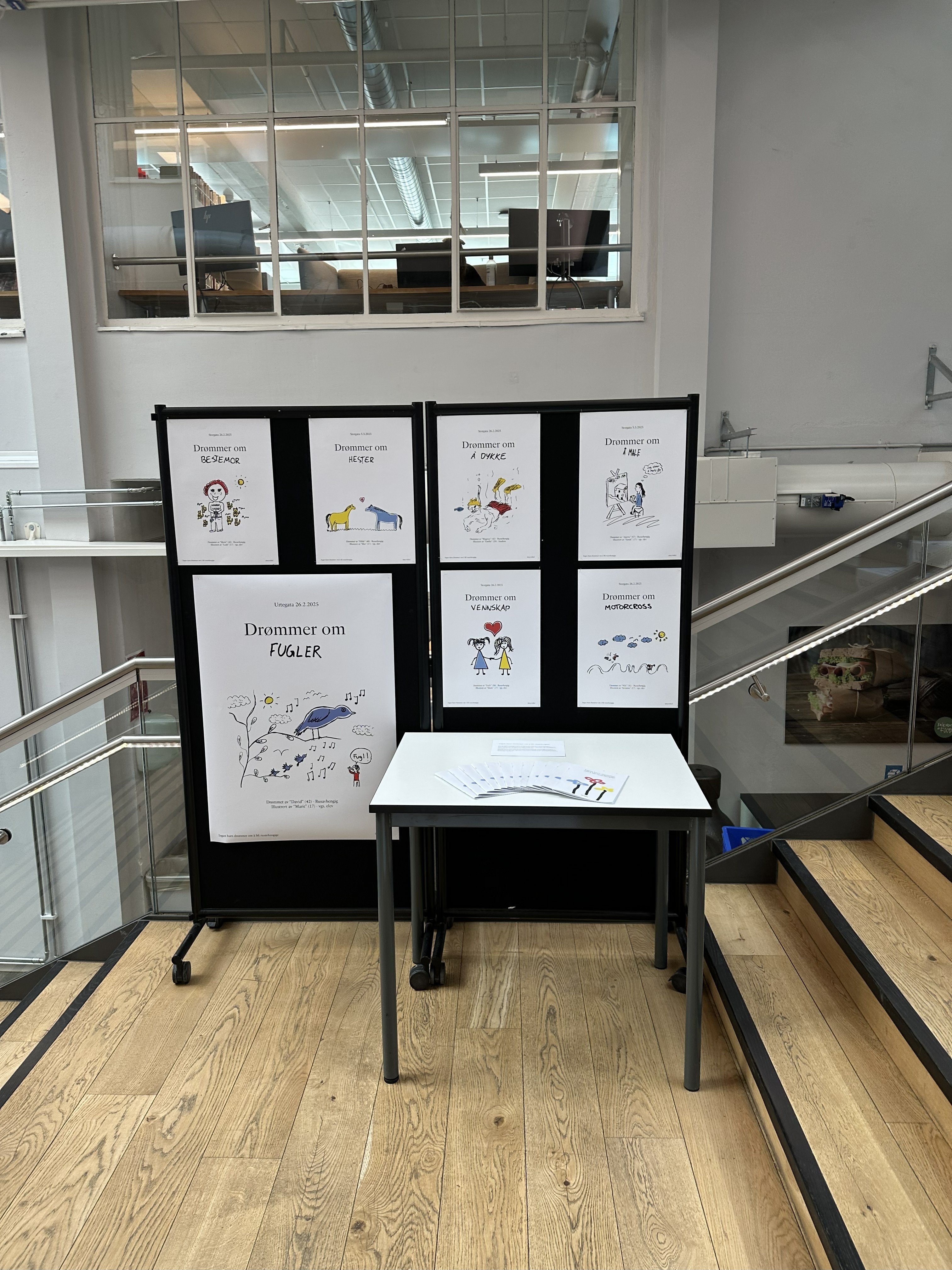
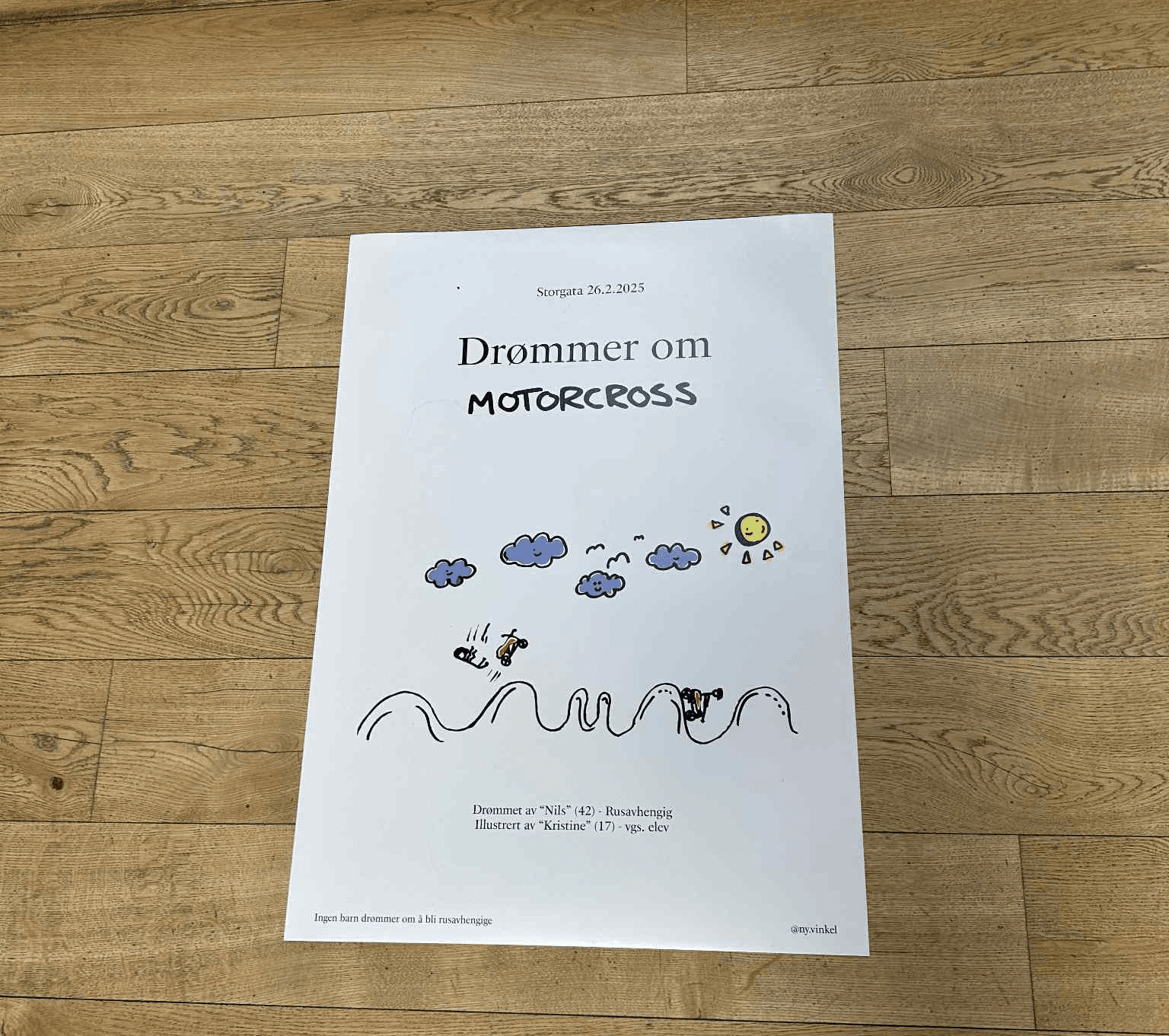
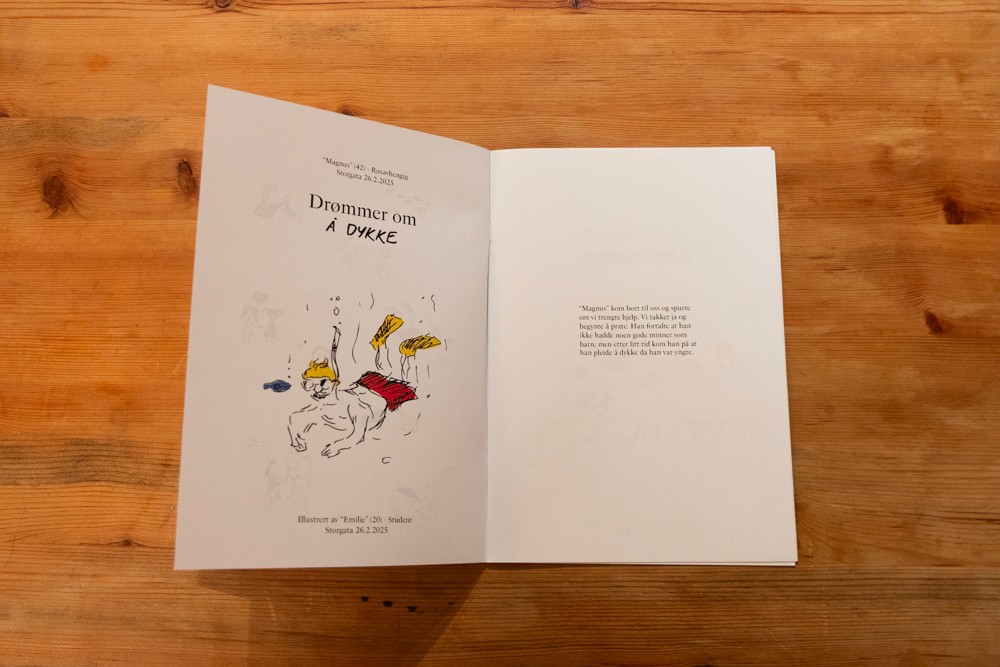
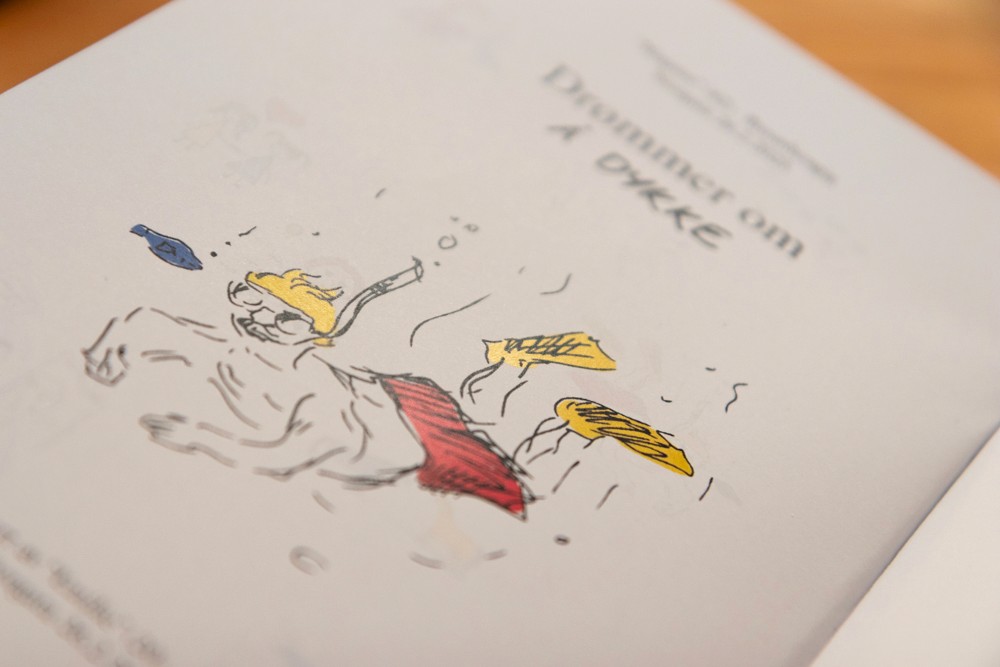
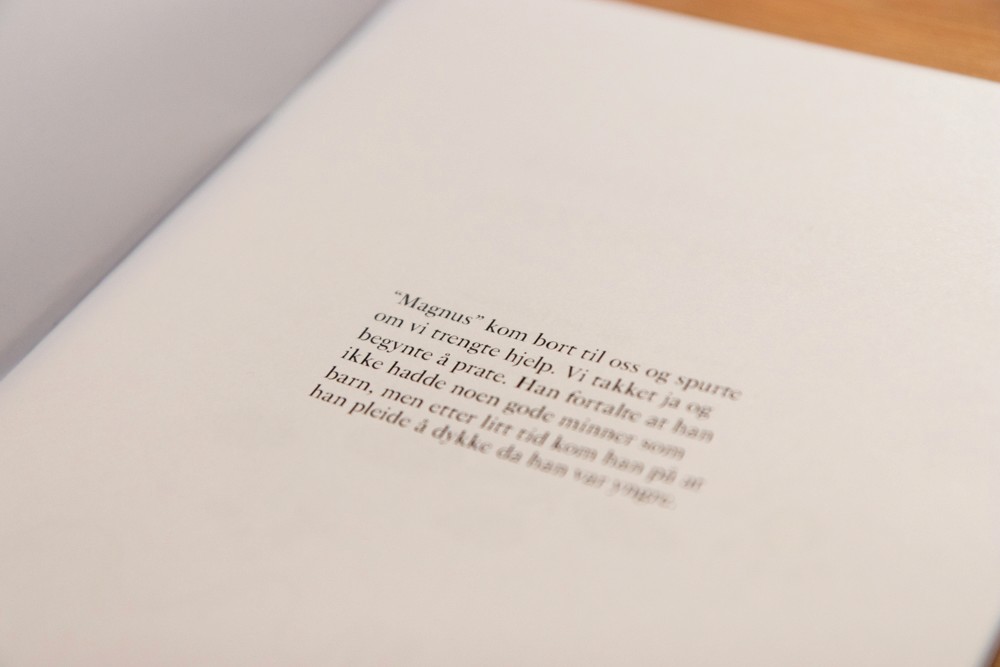
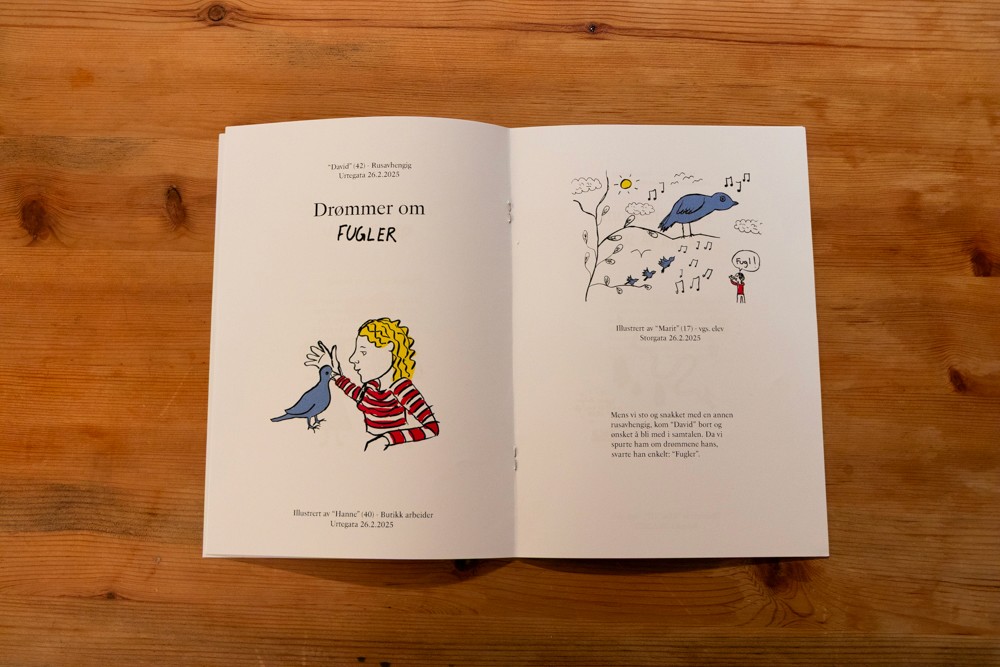
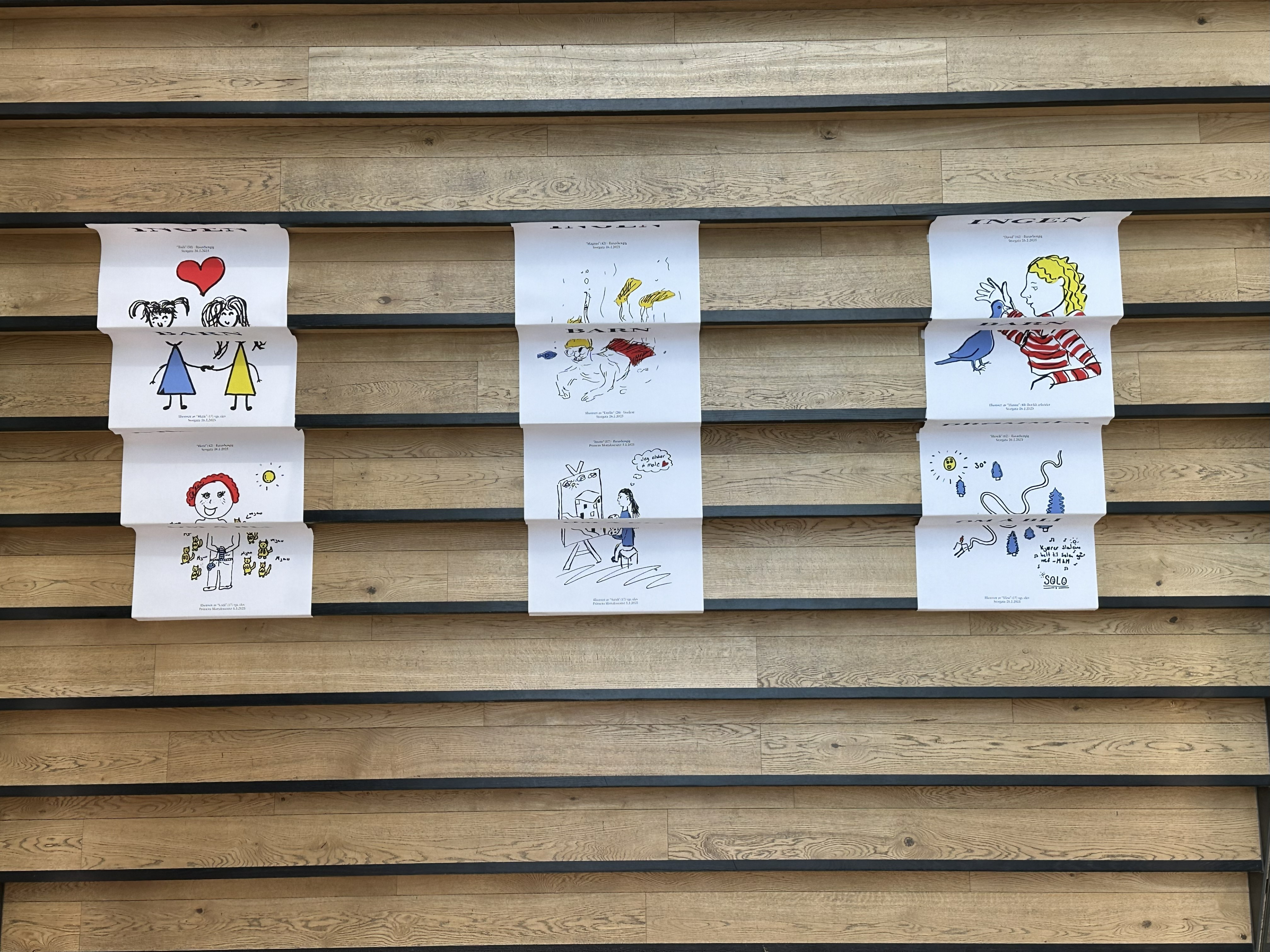
This project was made by interviewing drug users in the area, and inviting strangers to illustrate the dreams they shared; building a bridge between lived experiences and public perception.

All names and ages are anonymised, preserving the subjects’ privacy while allowing their stories to remain central.
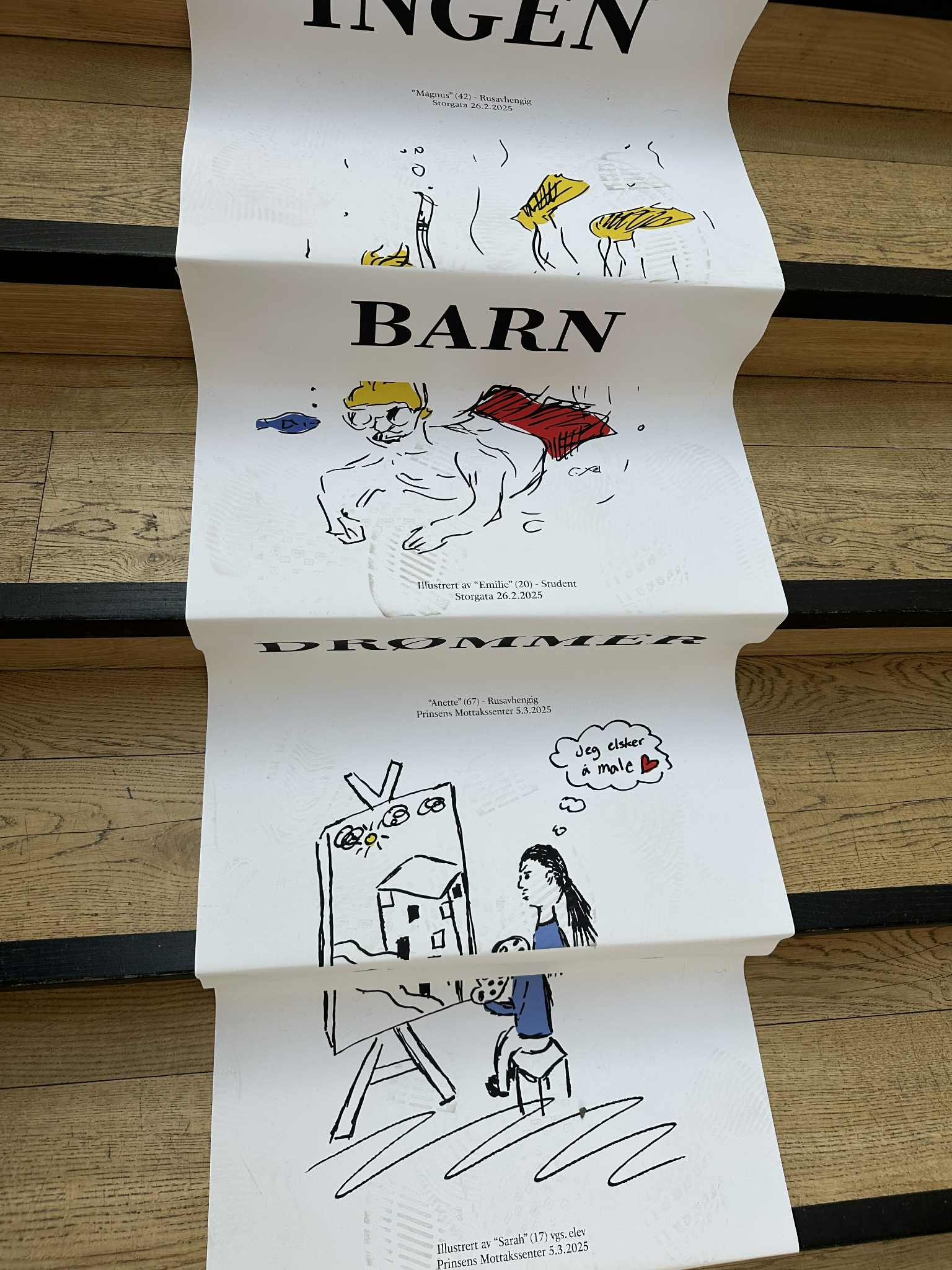
2 in 1 poster
2 in 1 poster

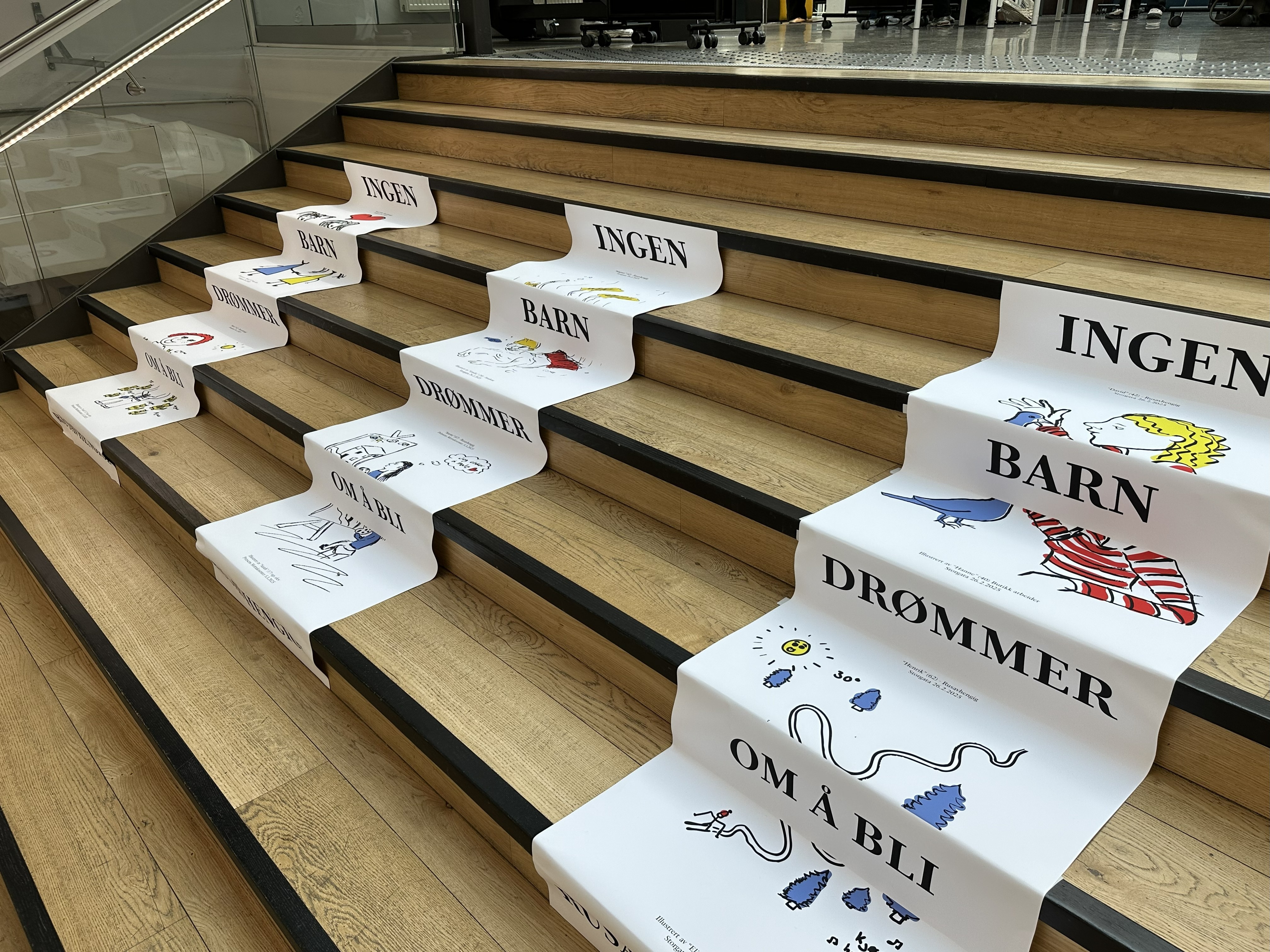
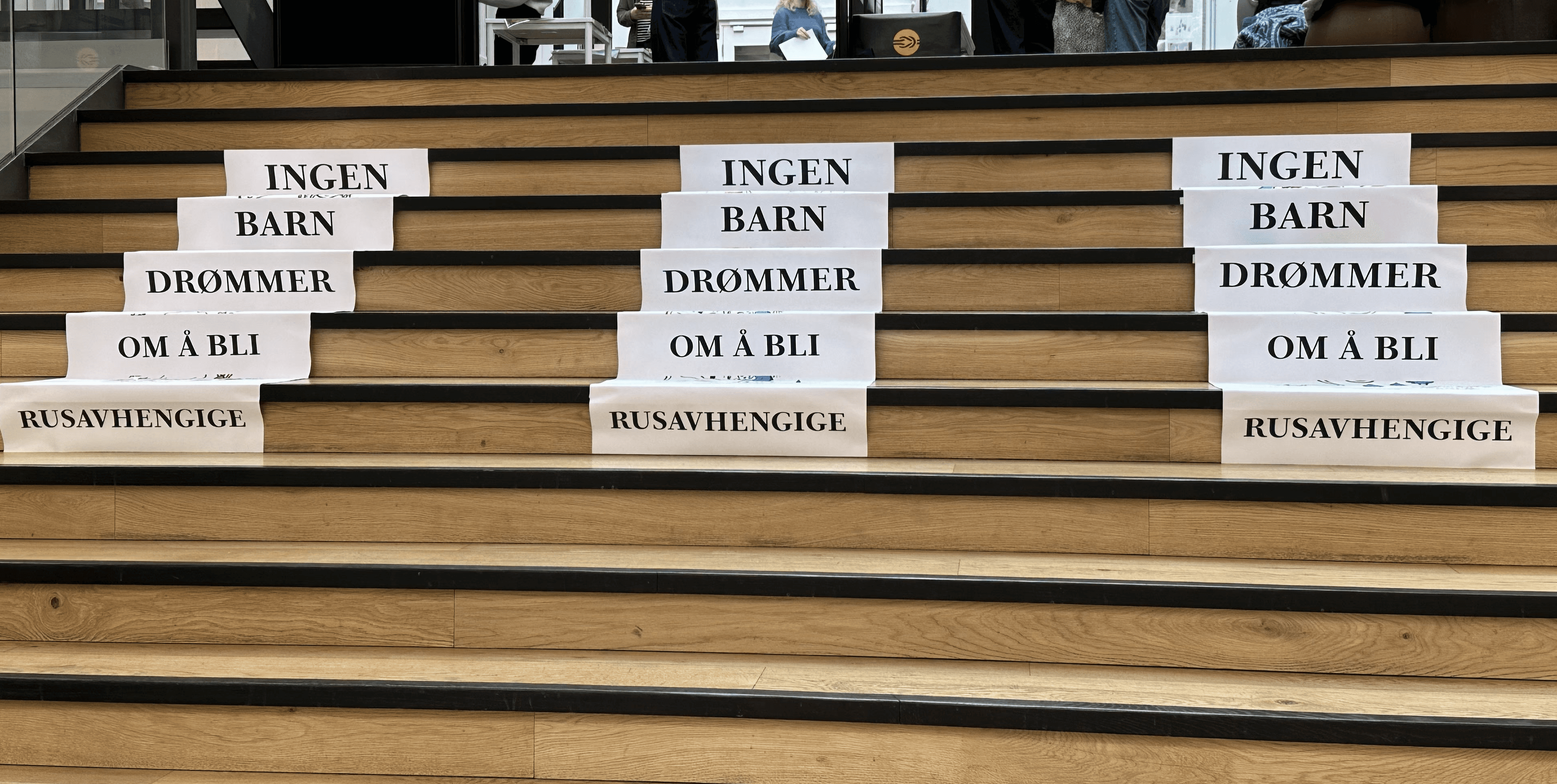
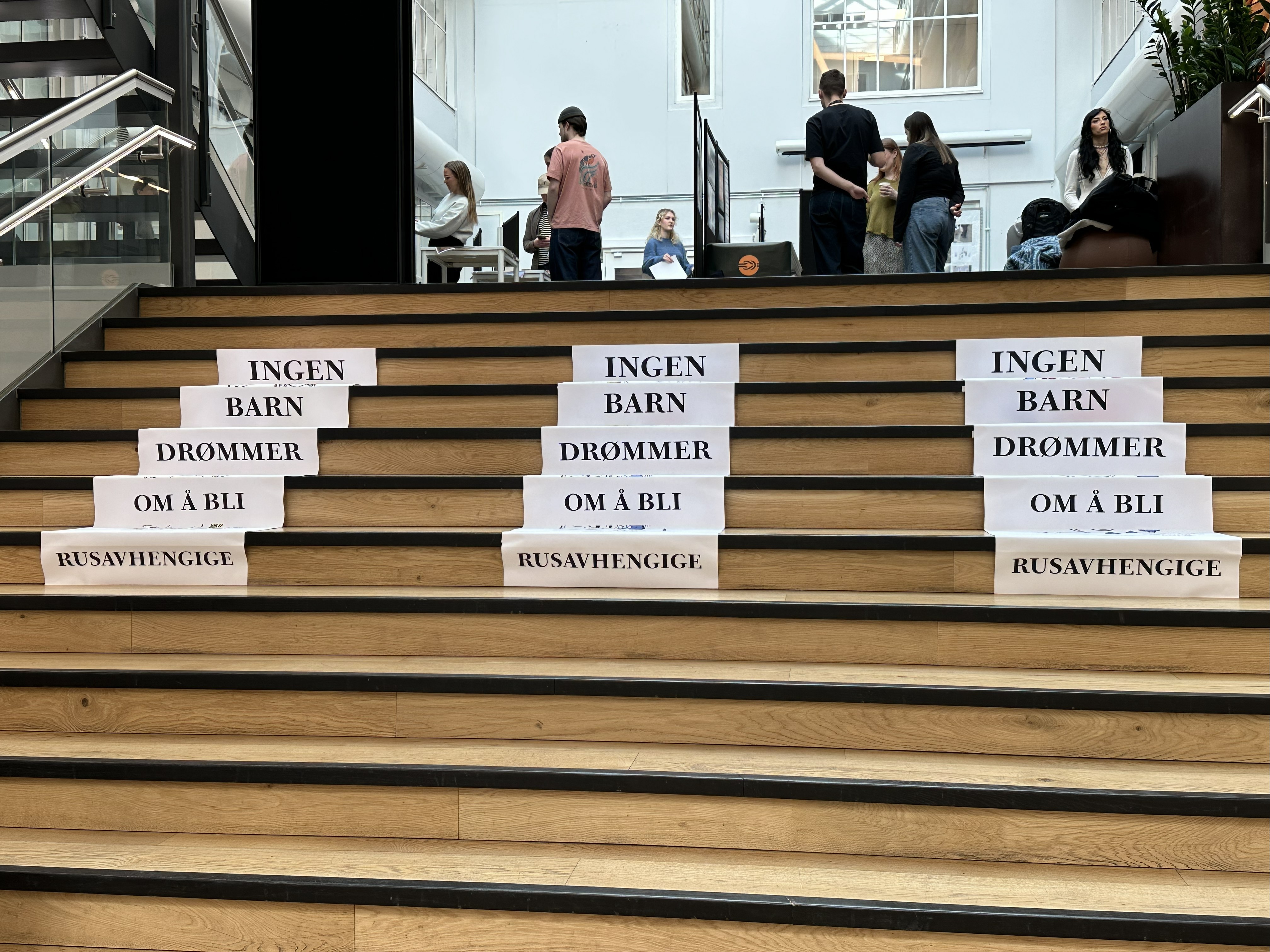
The stair poster was designed as a dual visual experience, functioning as two posters in one depending on the viewer’s perspective. As the audience moved up or down the stairs, the message and imagery shifted, symbolising how perception changes depending on distance and viewpoint.

The placement on the stairs was intentional, encouraging people to physically walk on the poster. This act became a metaphor for how society often tramples on the dreams of people struggling with addiction. By combining movement, interaction, and perspective, the poster transformed into a powerful spatial statement that highlighted invisibility, judgement, and the fragility of forgotten dreams

The stair poster was designed as a dual visual experience, functioning as two posters in one depending on the viewer’s perspective. As the audience moved up or down the stairs, the message and imagery shifted, symbolising how perception changes depending on distance and viewpoint.

The placement on the stairs was intentional, encouraging people to physically walk on the poster. This act became a metaphor for how society often tramples on the dreams of people struggling with addiction. By combining movement, interaction, and perspective, the poster transformed into a powerful spatial statement that highlighted invisibility, judgement, and the fragility of forgotten dreams

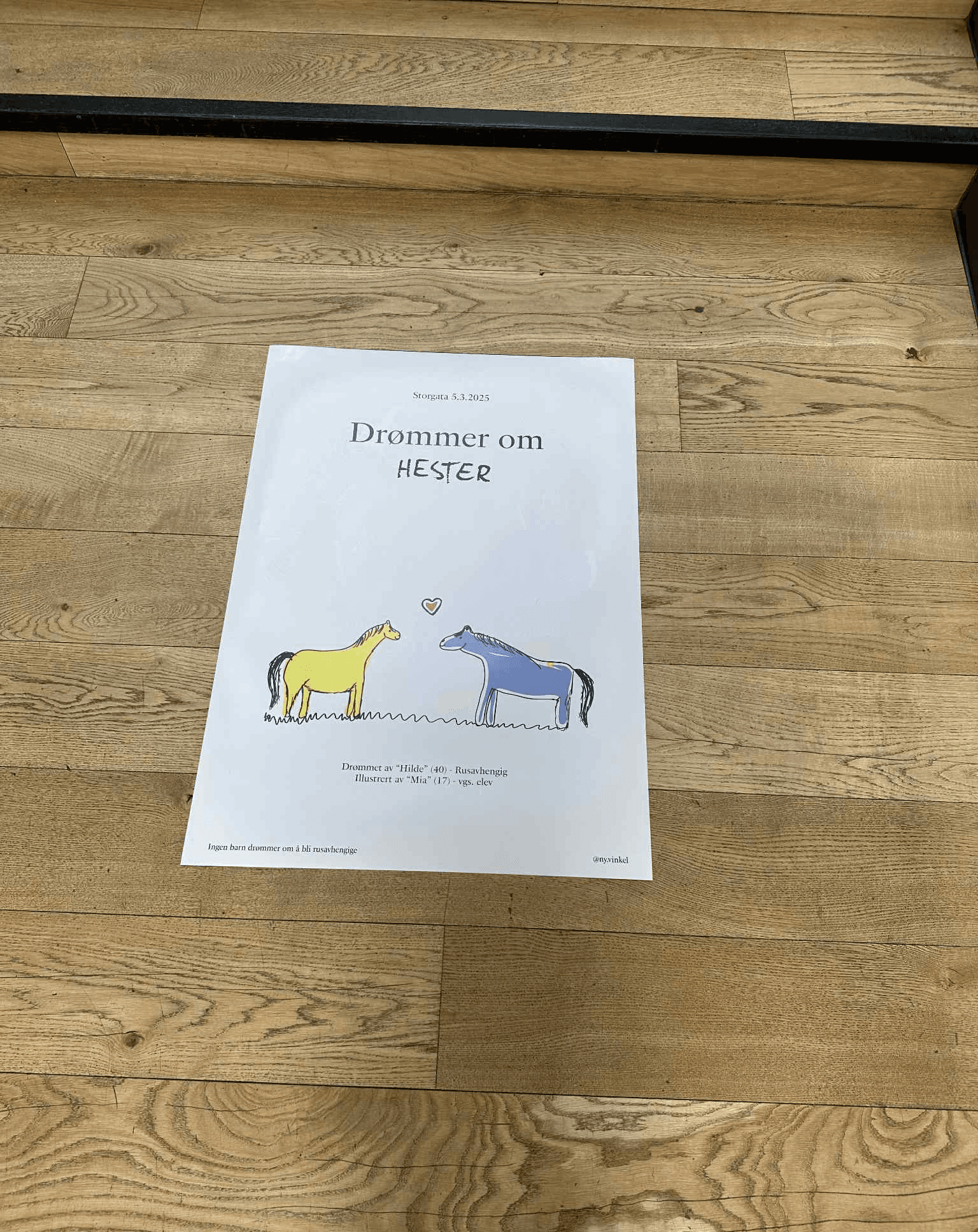
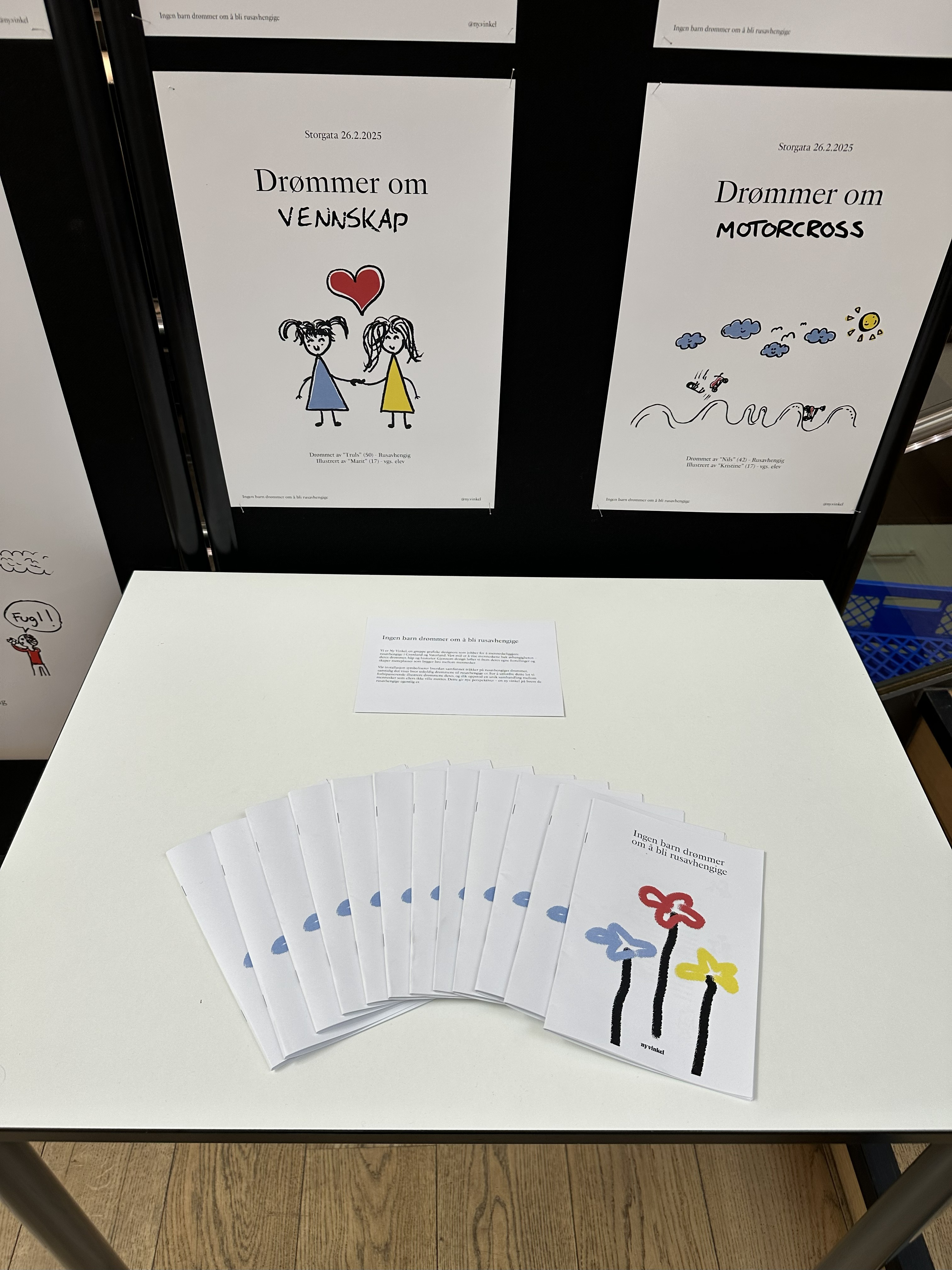
poster
poster
magazine
magazine

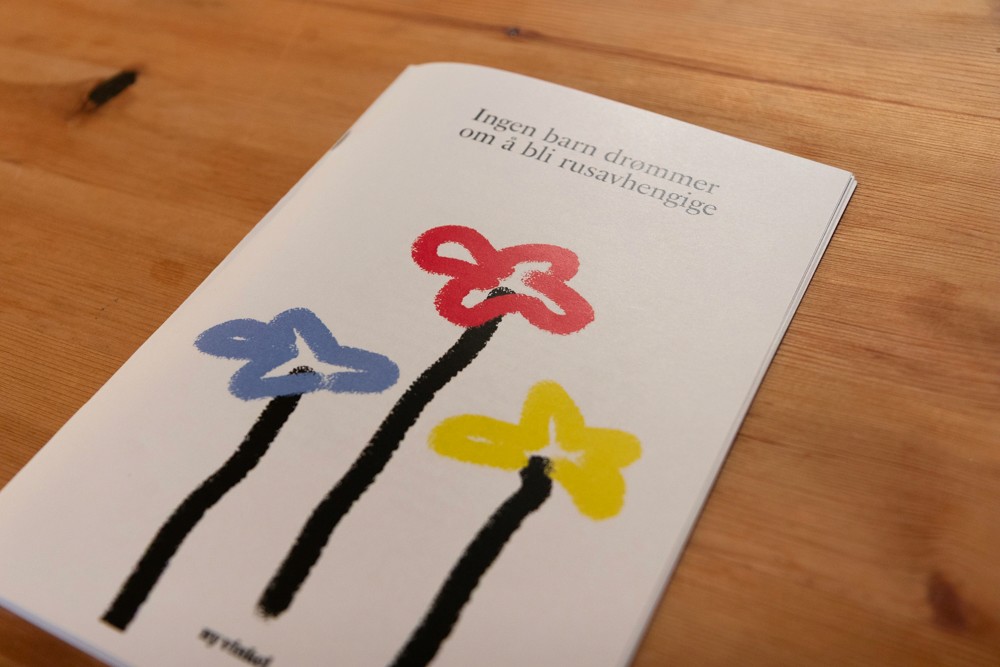
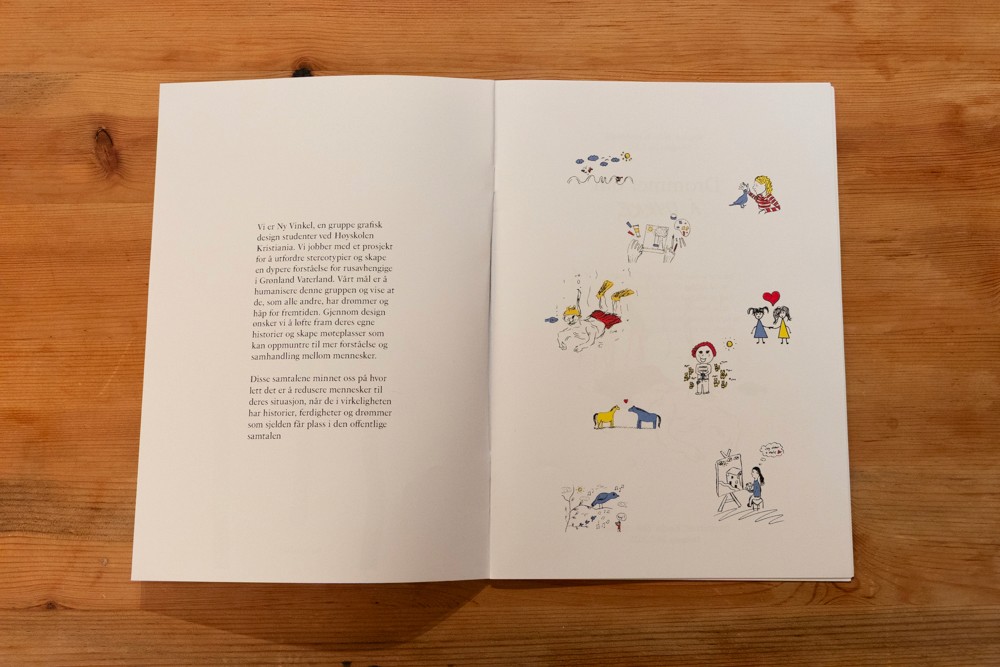
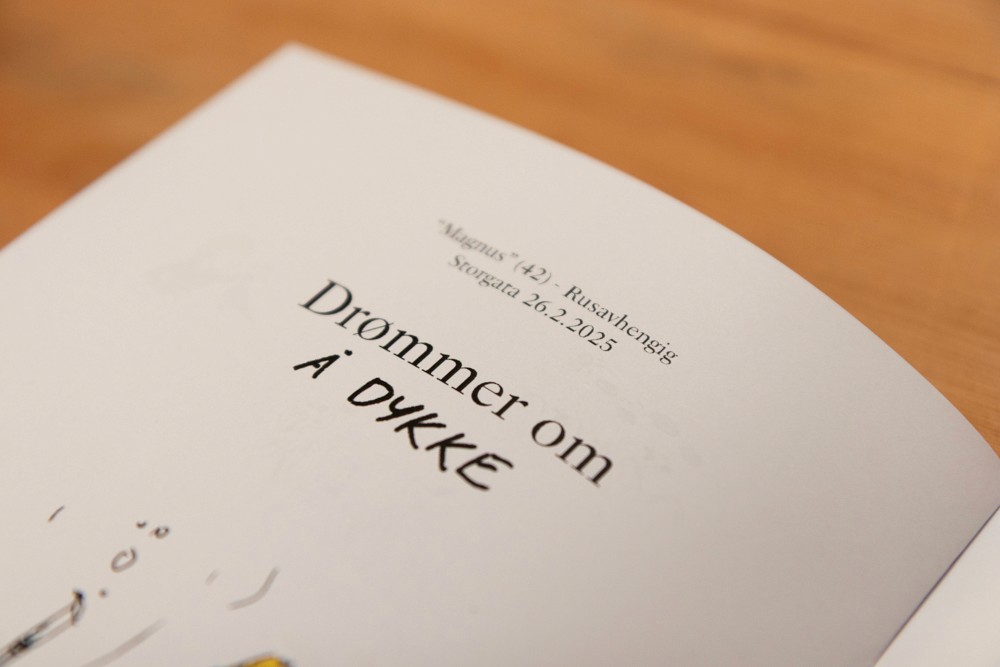
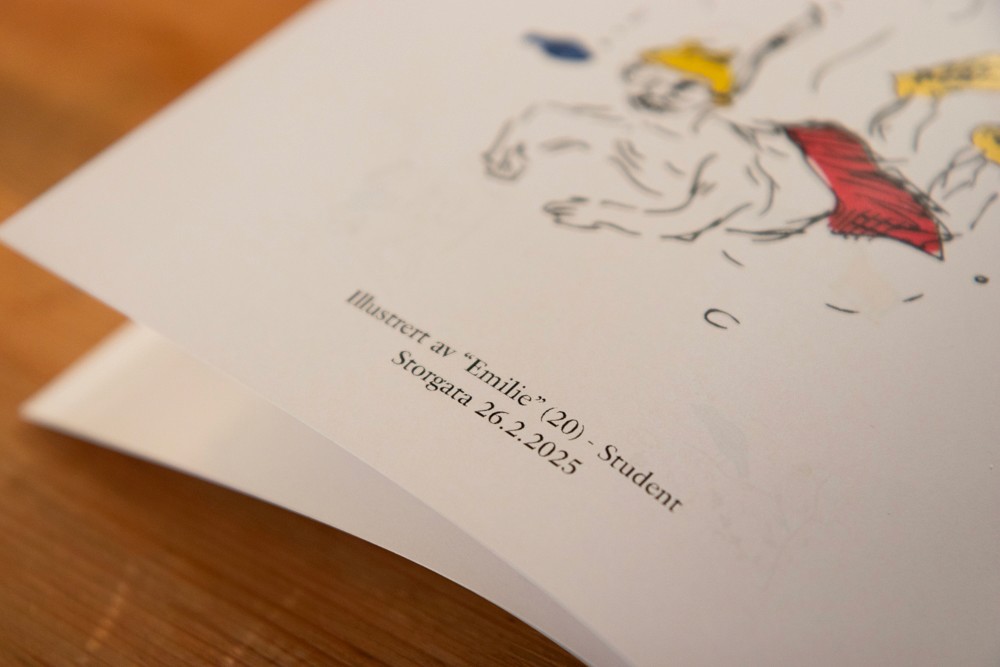
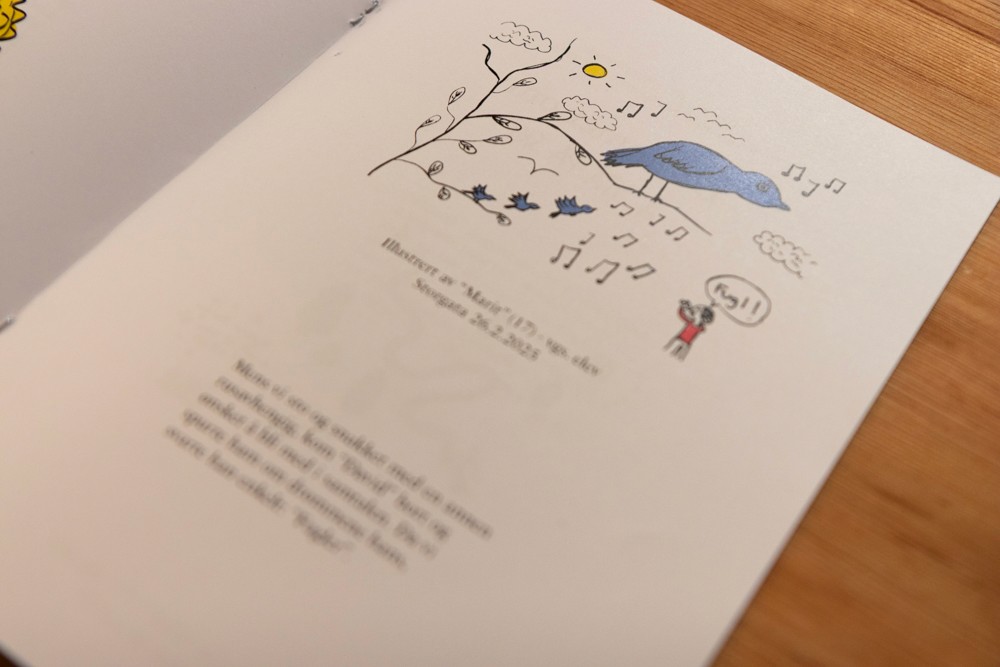
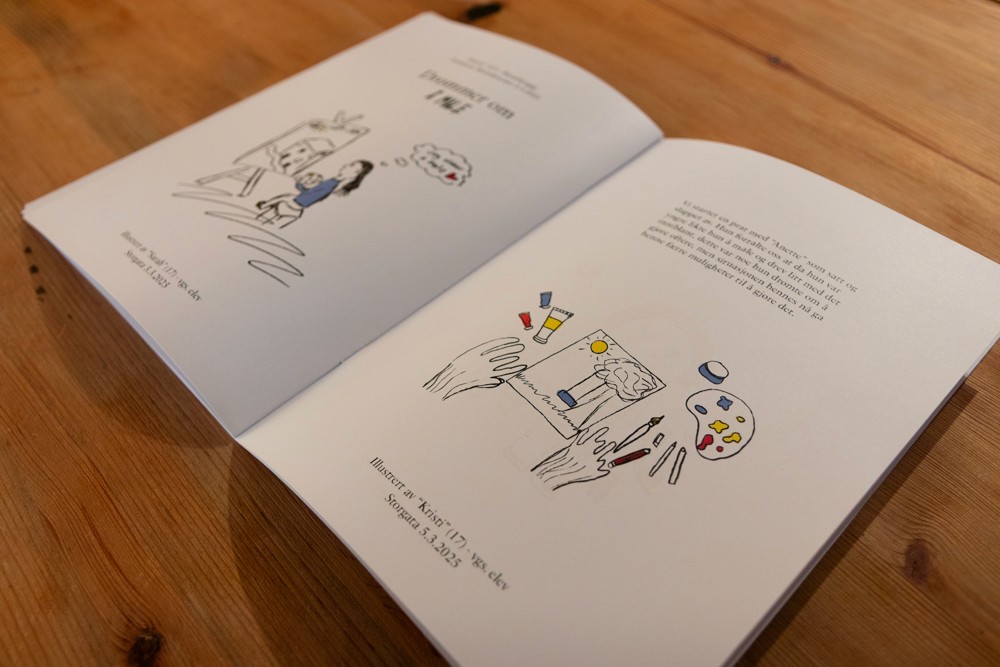
The magazine functions as the core of the project, offering a deeper and more intimate insight into the lives and dreams of people struggling with addiction. Through conversations with individuals affected by substance abuse, their dreams and stories were collected and then interpreted visually by random strangers. These strangers were informed that the dreams came from people with drug addiction, but had no personal knowledge of the individuals themselves. This created a layered dynamic between awareness and emotional distance, revealing how perception and empathy shift when viewers consciously know the social context behind the dream. Compared to the posters, the magazine provides greater depth and reflection, strengthening the project’s aim of humanising and challenging stereotypes.

The magazine functions as the core of the project, offering a deeper and more intimate insight into the lives and dreams of people struggling with addiction. Through conversations with individuals affected by substance abuse, their dreams and stories were collected and then interpreted visually by random strangers. These strangers were informed that the dreams came from people with drug addiction, but had no personal knowledge of the individuals themselves. This created a layered dynamic between awareness and emotional distance, revealing how perception and empathy shift when viewers consciously know the social context behind the dream. Compared to the posters, the magazine provides greater depth and reflection, strengthening the project’s aim of humanising and challenging stereotypes.