Seeing the person beyond the label
Introducing Drømmer du ikke ser
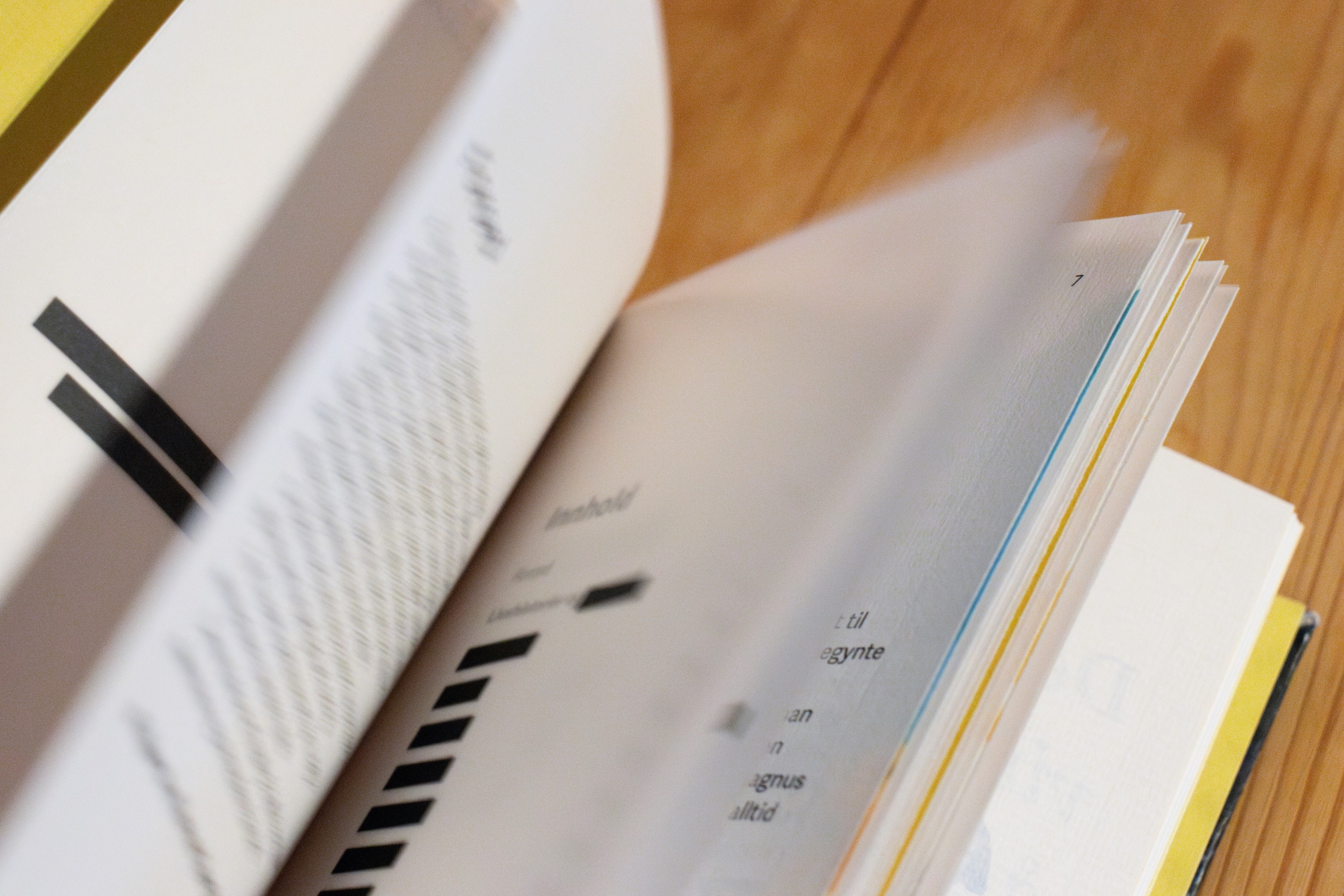
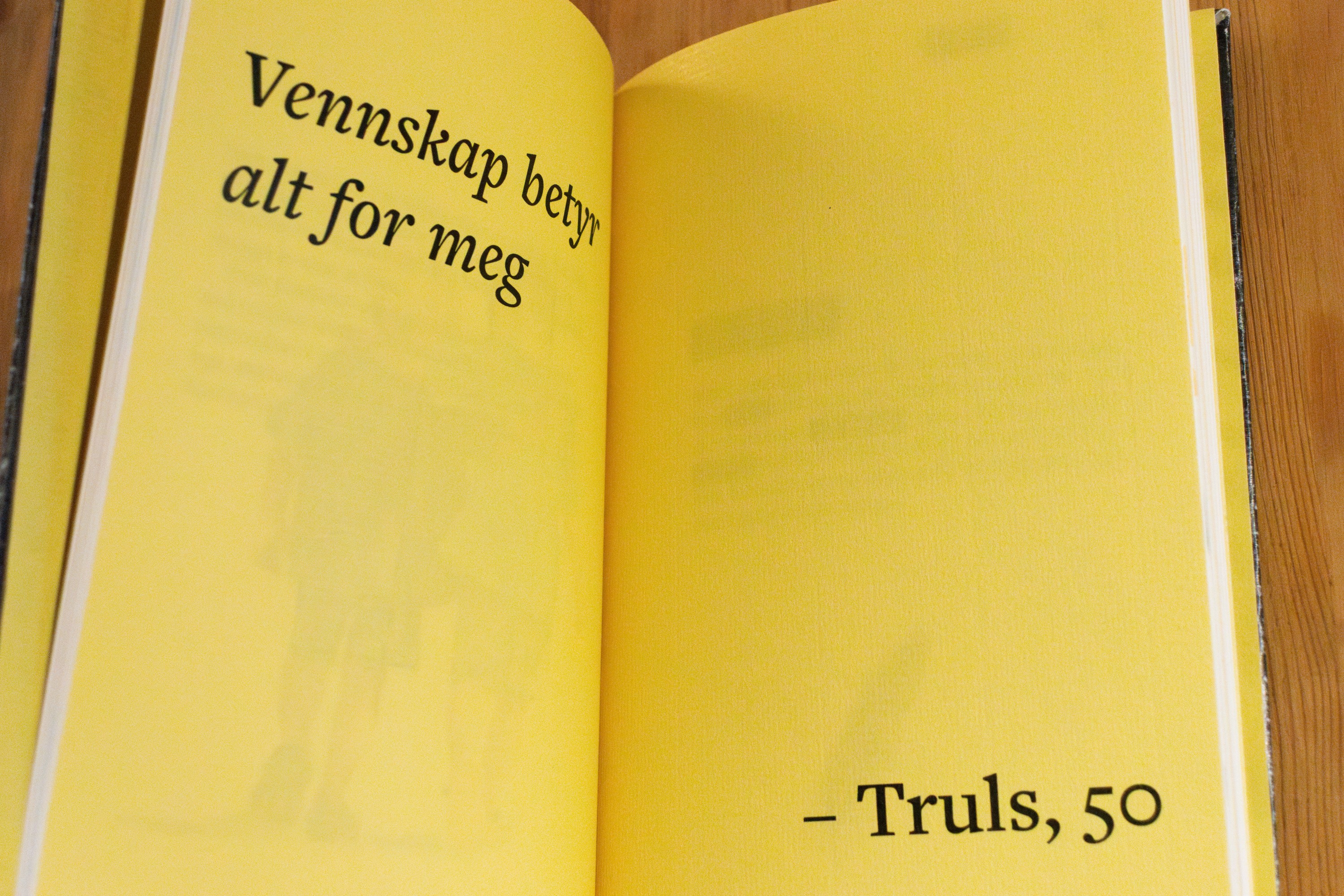
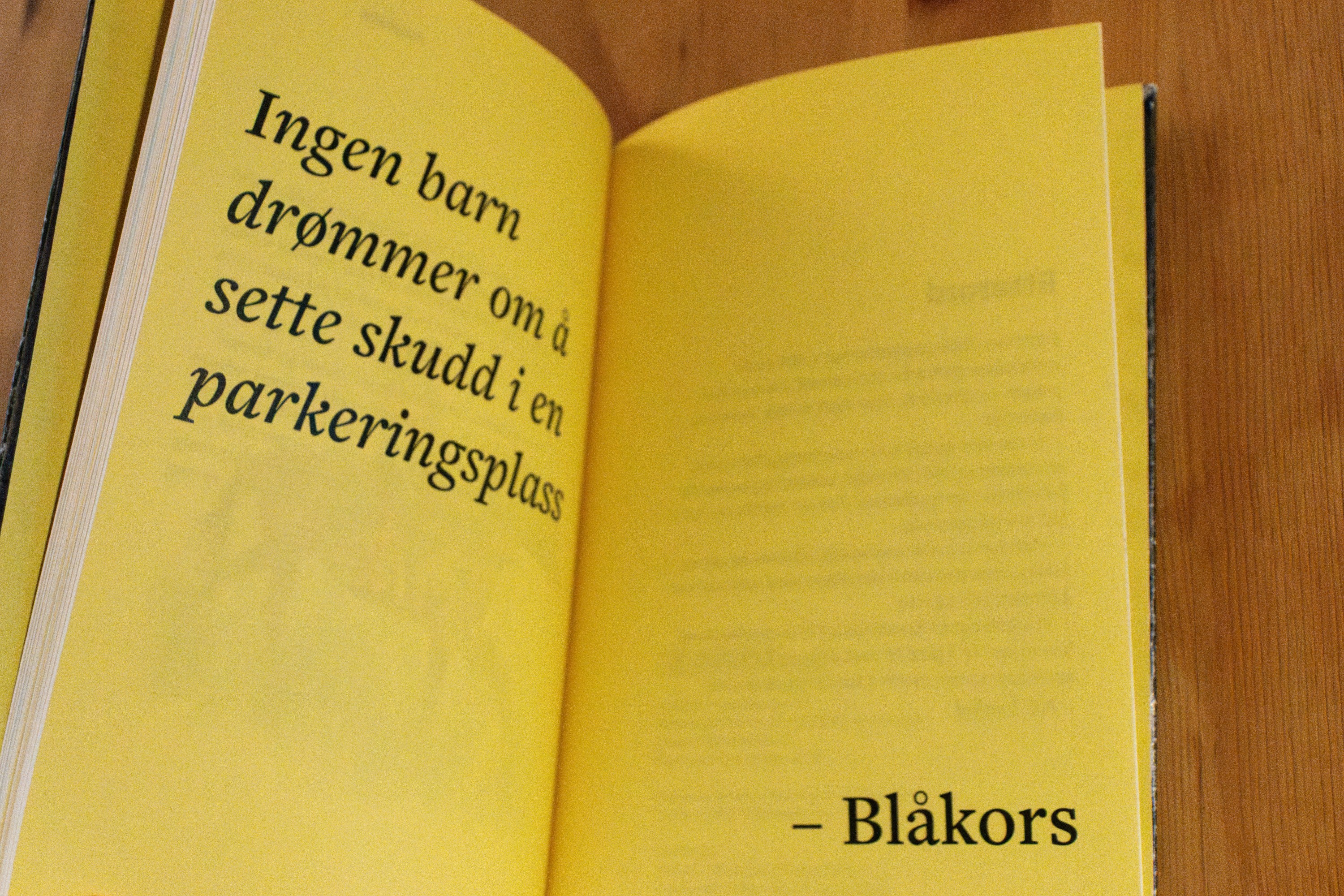
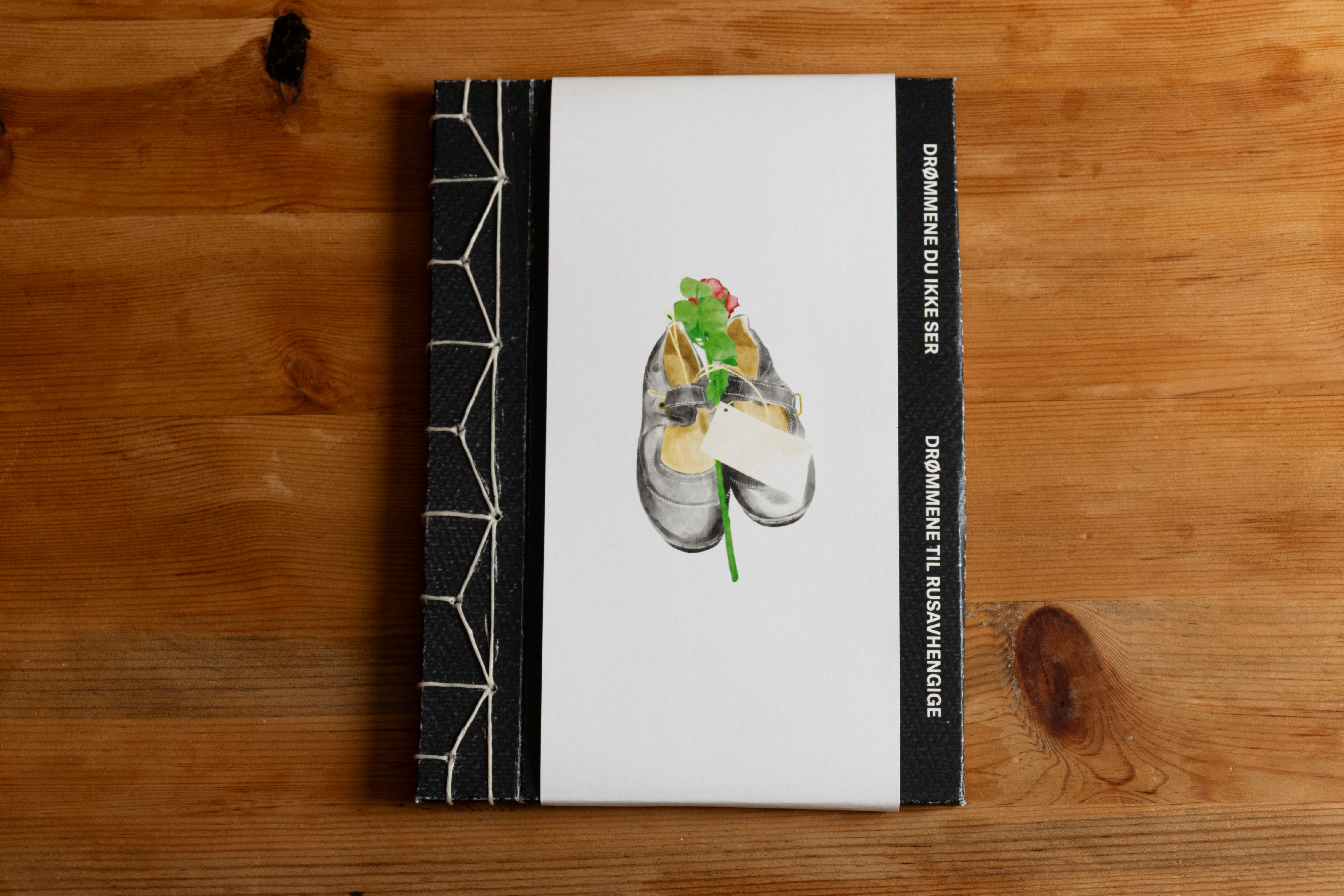
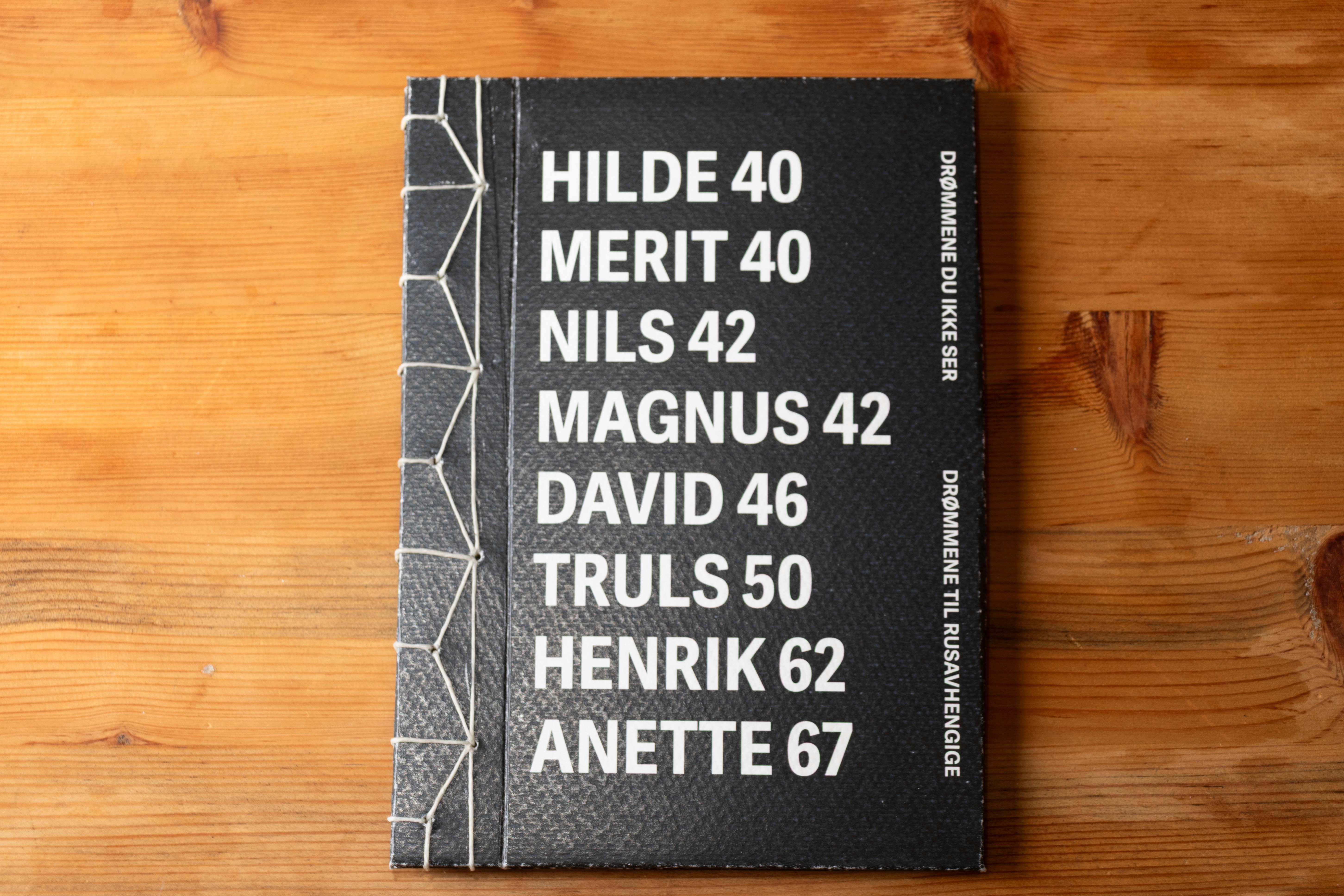
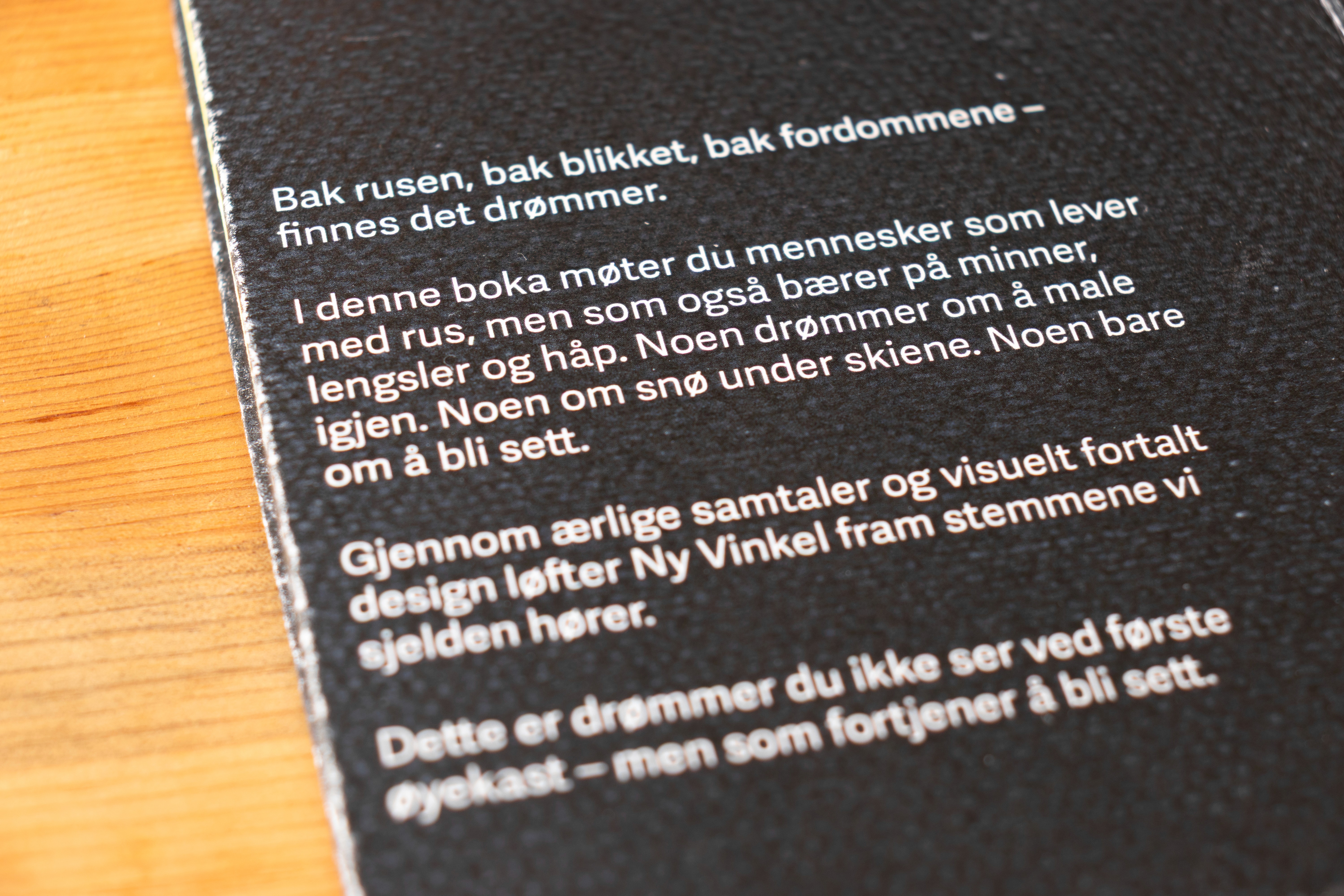
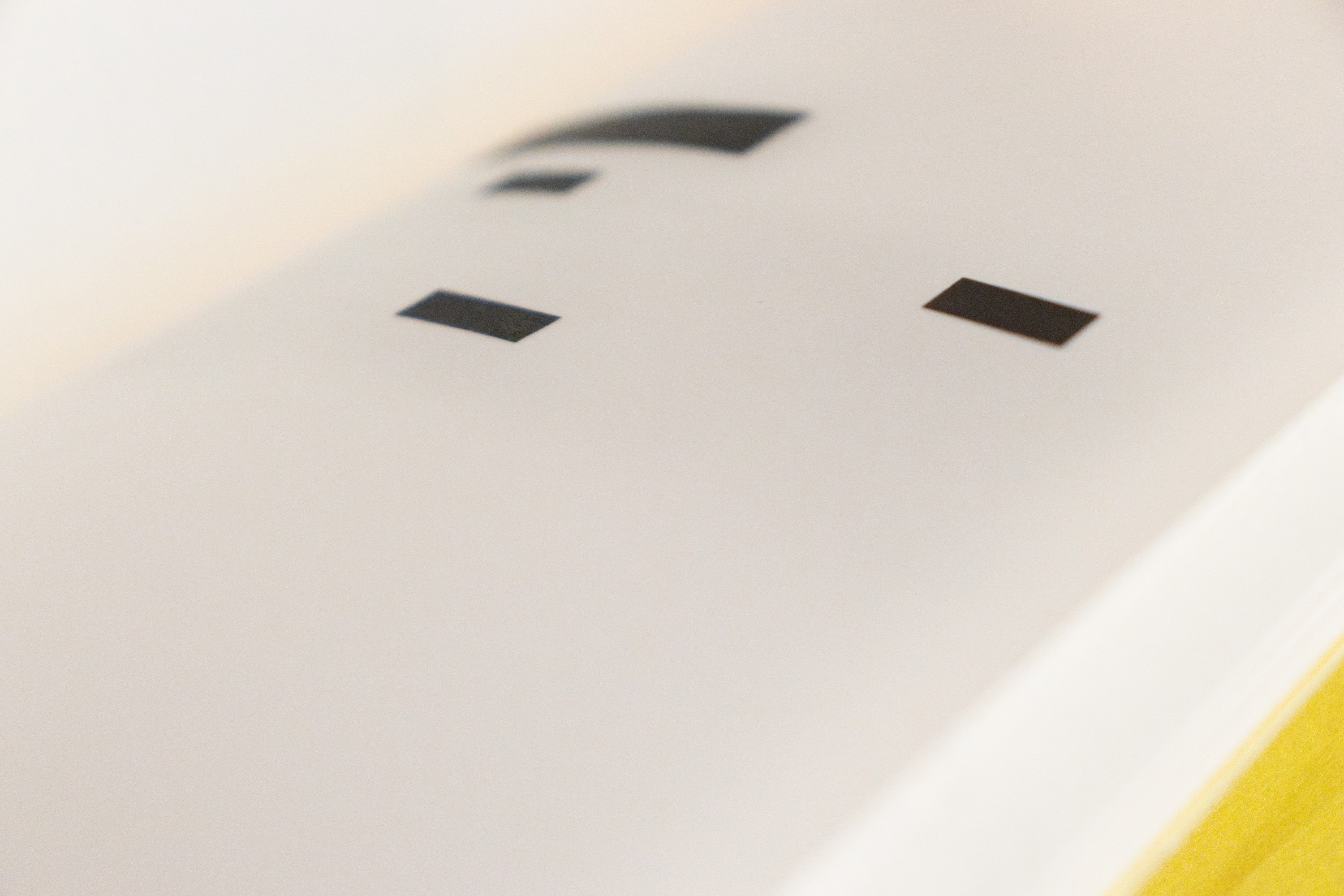
Drømmer du ikke ser (Dream’s You Don’t See) is a book project that explore inner lives of people living with substance use in Oslo’ Grønland/Vaterland area. Instead of focusing on addiction, we asked a simple question: What do you dream about? Their answers: painting, friendship, skiing, grandma, reveal the human behind the stereotype. The book uses a quiet, minimal design to give power to the voices behind these dreams, paired with watercolored illustration to give dreamlike and hopeful feel to the book. To reflect how socity often views drug users through layers of stigma, each story is partially obscured by censored tracing paper overlays. Readers must actively lift the translucent layer to access the person’s dream and name, turning the act of reading into a metaphor for seeing people more clearly. The japanese stab binding adds a tactile handmade quality that reflect both fragility and resilience. This project was created to challenge assumptions, foster empathy, and create a platform where unseen dreams could be shared. This book is based on data from “Ingen barn drømmer om å bli rusavhengig” project.
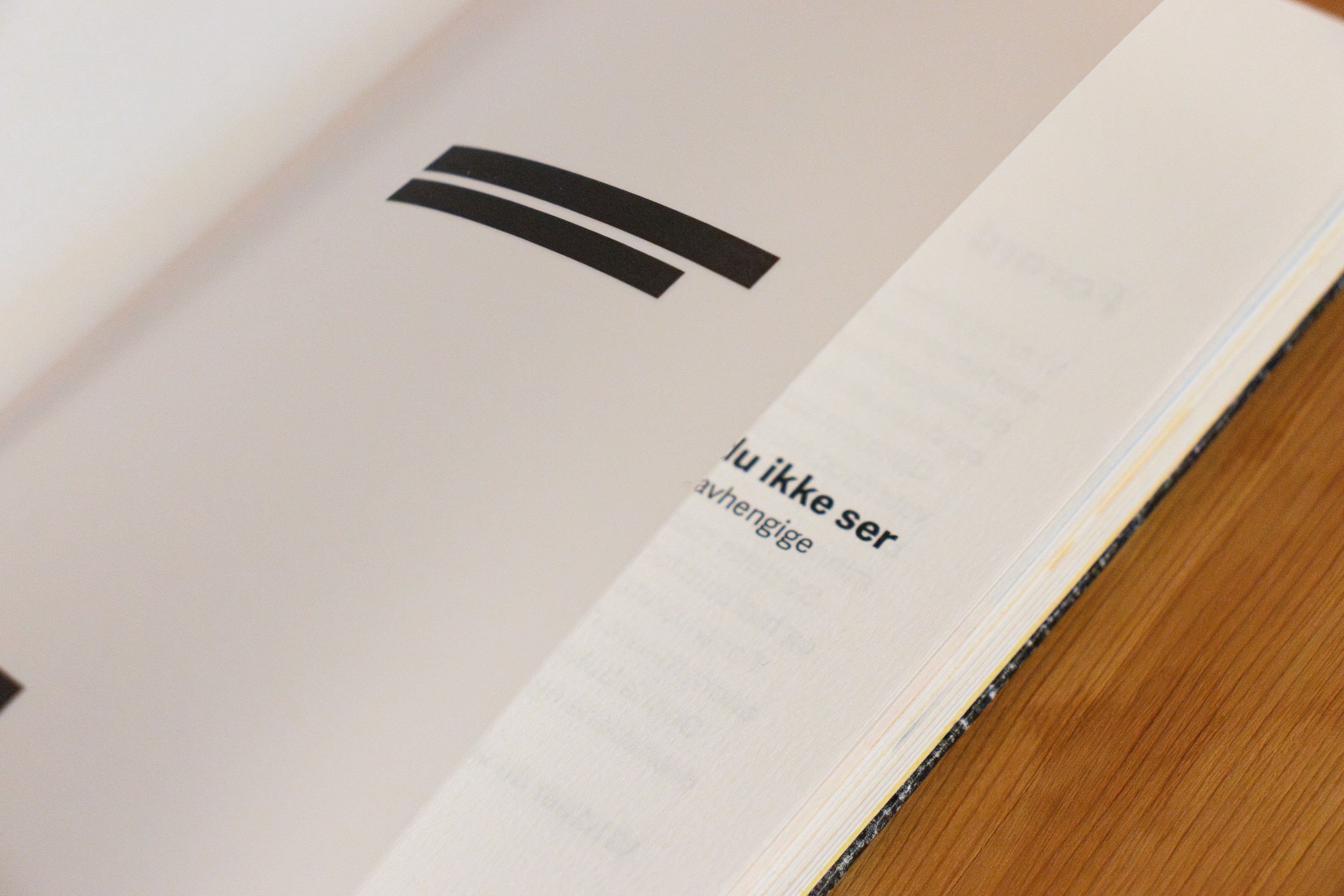
The vertical book band functions as both a visual and symbolic element. The illustration inspired by overdose remembrance day, it references loss and forgotten lives while also serving as a barrier that can be removed, inviting the reader to consciously engage with the hidden stories beneath.
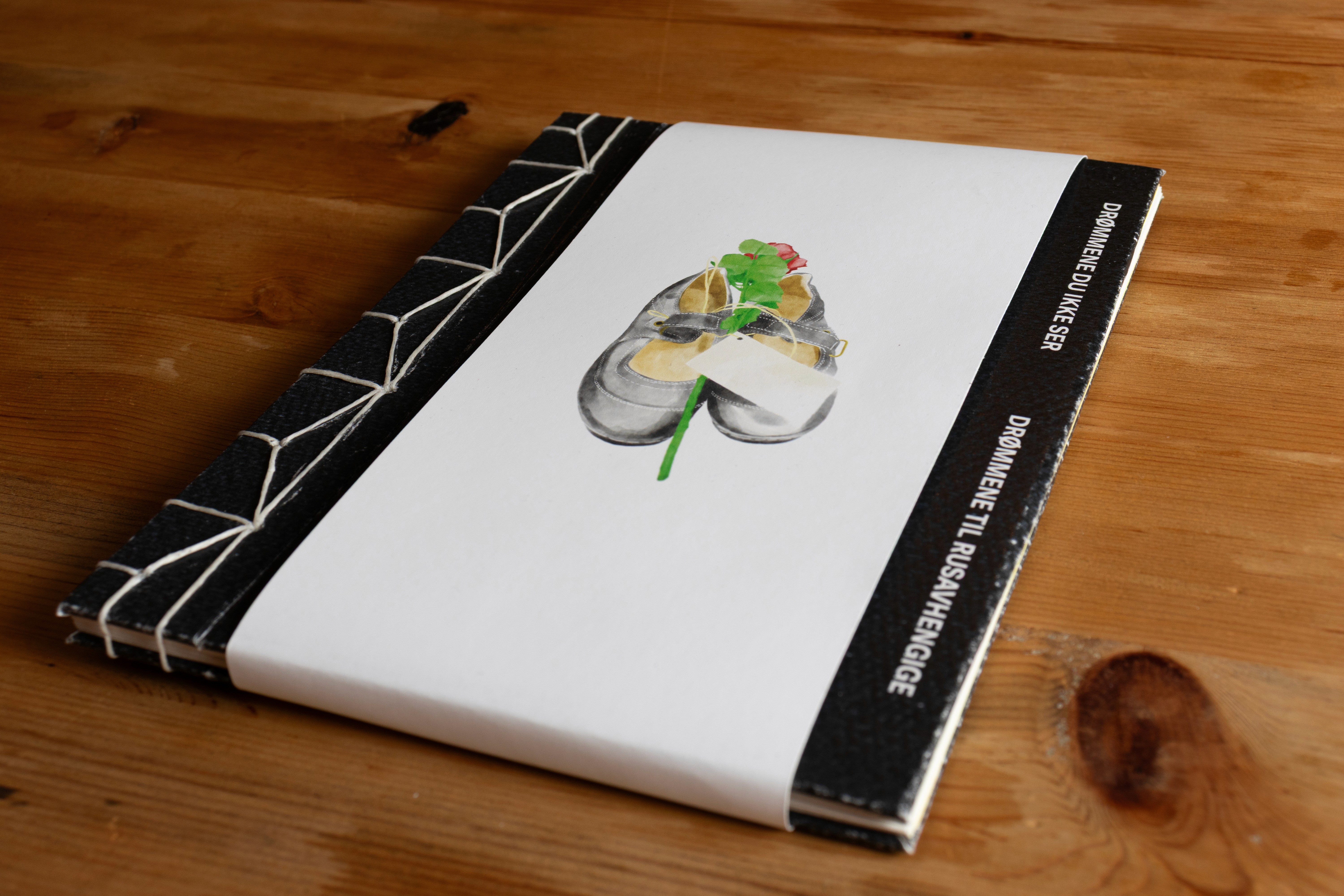
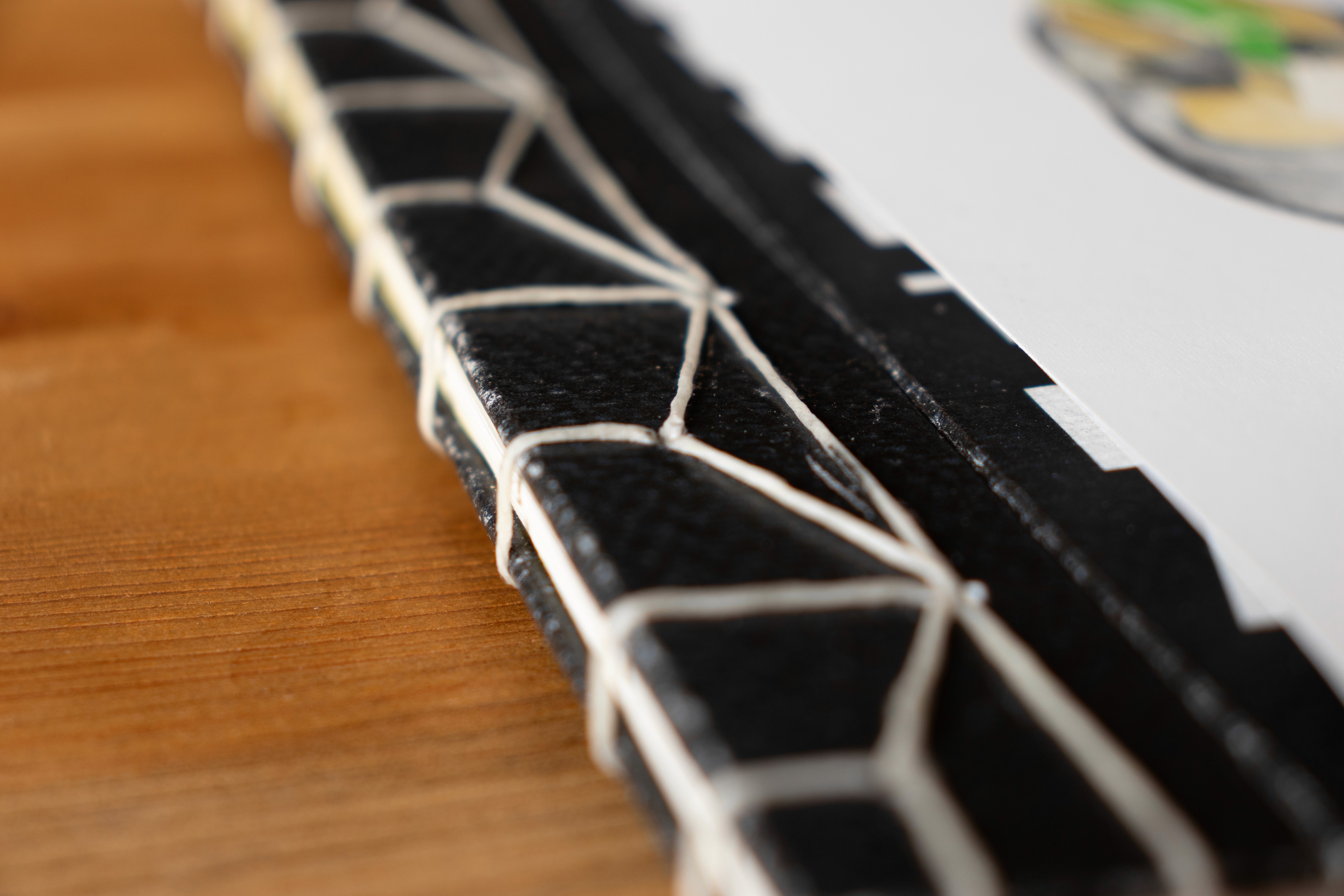
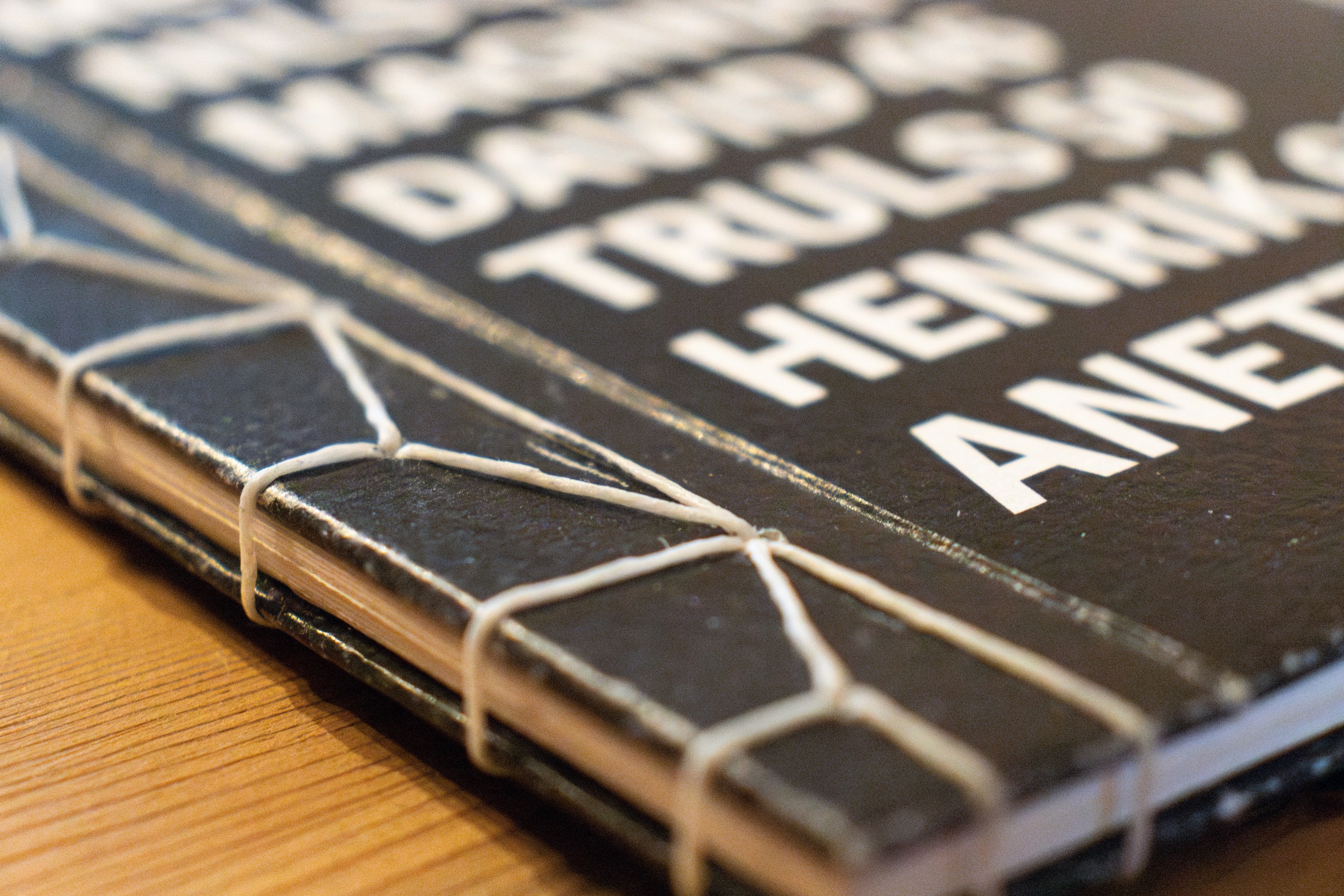
Japanese stab binding was chosen for its handcrafted quality and symbolic value. It contributes to the book’s intimate feel and metaphorically represents how fragile lives and dreams are held together through delicate threads of hope and memory.
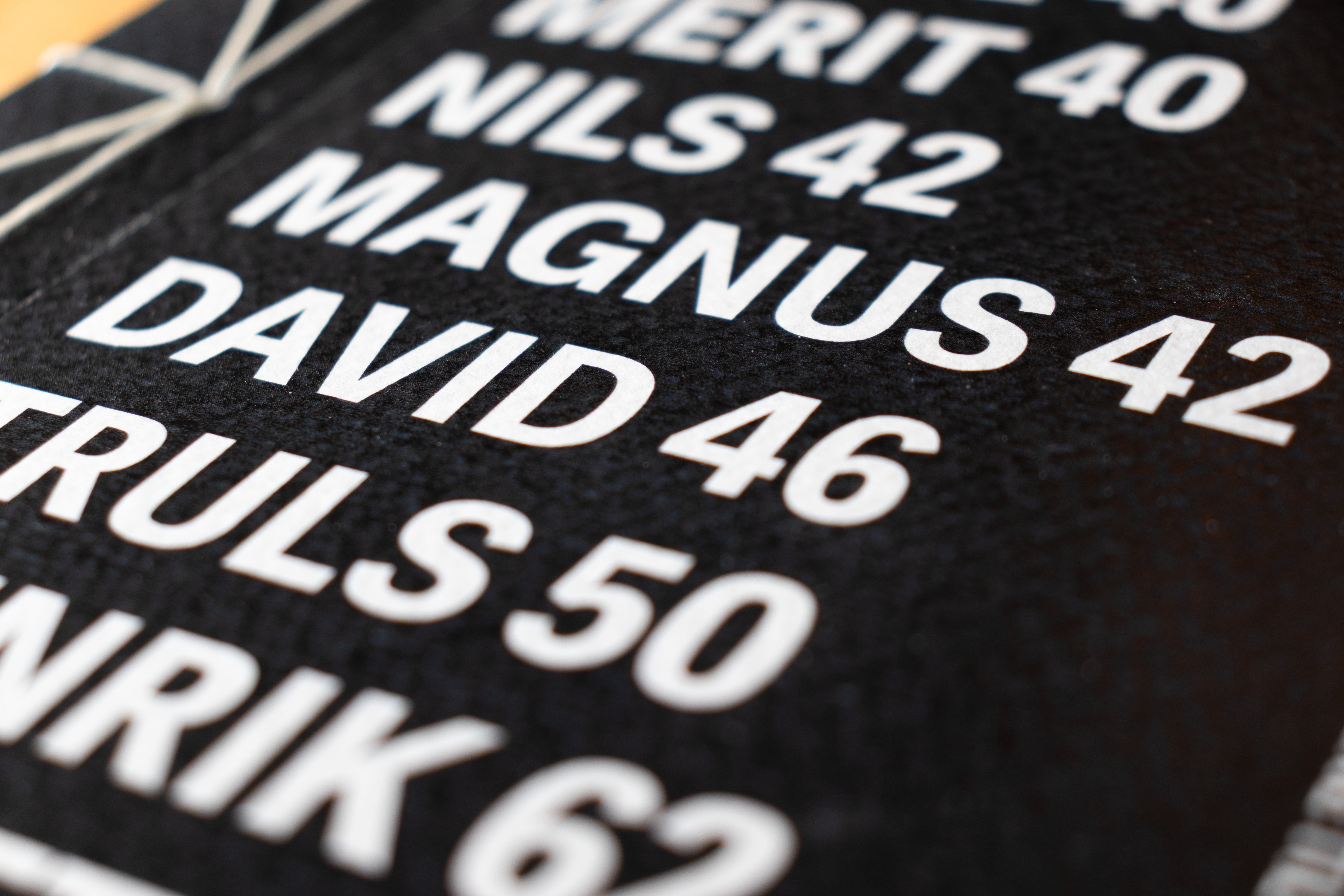
The cover uses a more brutalist expression to contrast the soft and emotional interior, reflecting the tension between outer perception and inner vulnerability. The name and age are given the strongest visual hierarchy to emphasise the individual’s identity and place their story at the centre.
The vertical book band covers the name, symbolising how society often obscures the humanity of people affected by addiction. When removed, the name is revealed, reinforcing the act of choosing to truly see the person behind the label and directly connecting to the book’s theme of visibility.
The illustrations are created in a watercolour-inspired style to evoke a sense of softness, fragility, and a dream-like atmosphere. This visual approach allows the dreams to feel intimate and delicate, while gently distancing them from the harshness of reality, enhancing the poetic and reflective quality of the narrative.
Two types of illustrations are used: direct visualisations of the dreams and symbolic objects connected to them. The symbolic illustrations function as subtle clues, offering a visual hint of each dream while inviting interpretation and deeper engagement.
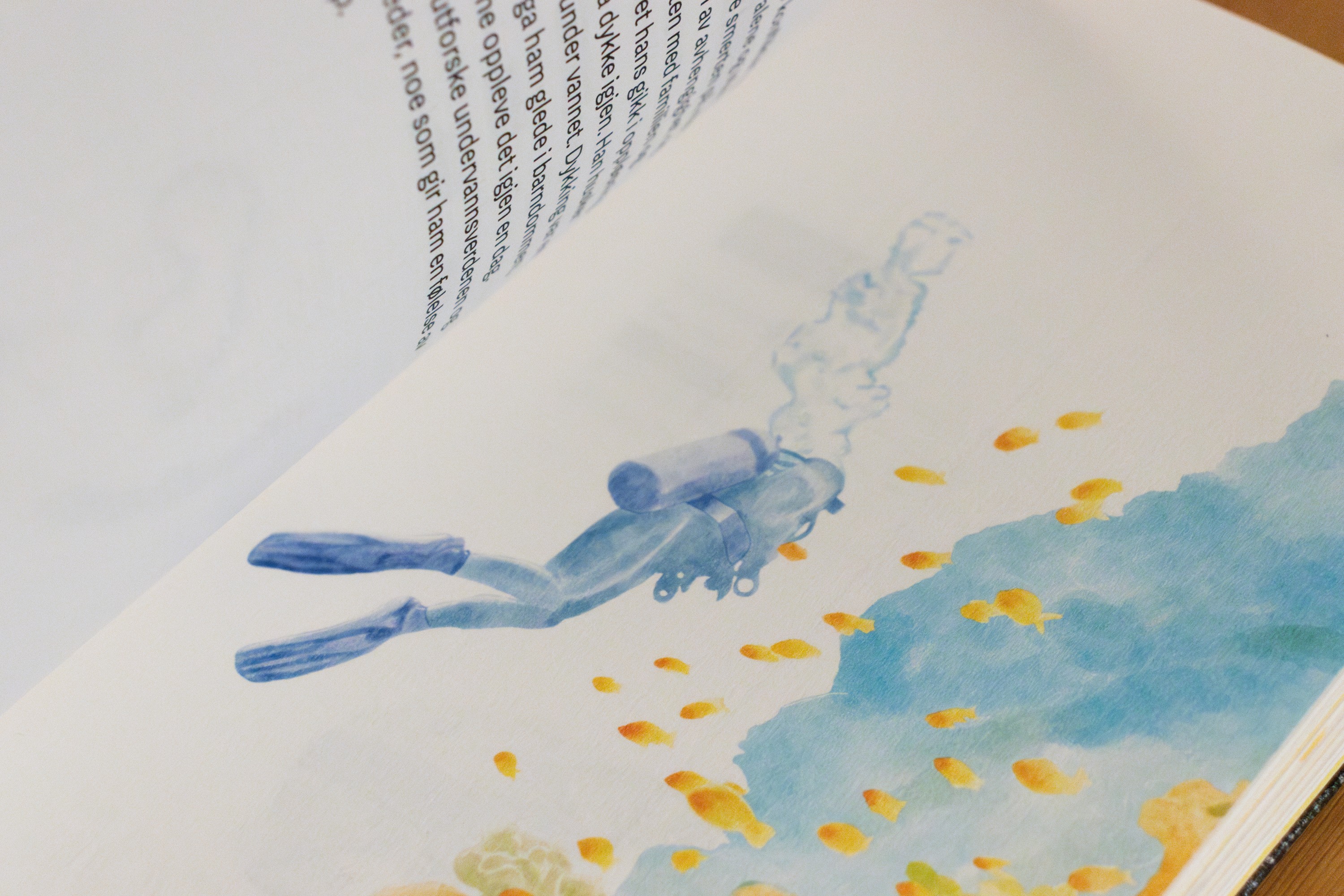
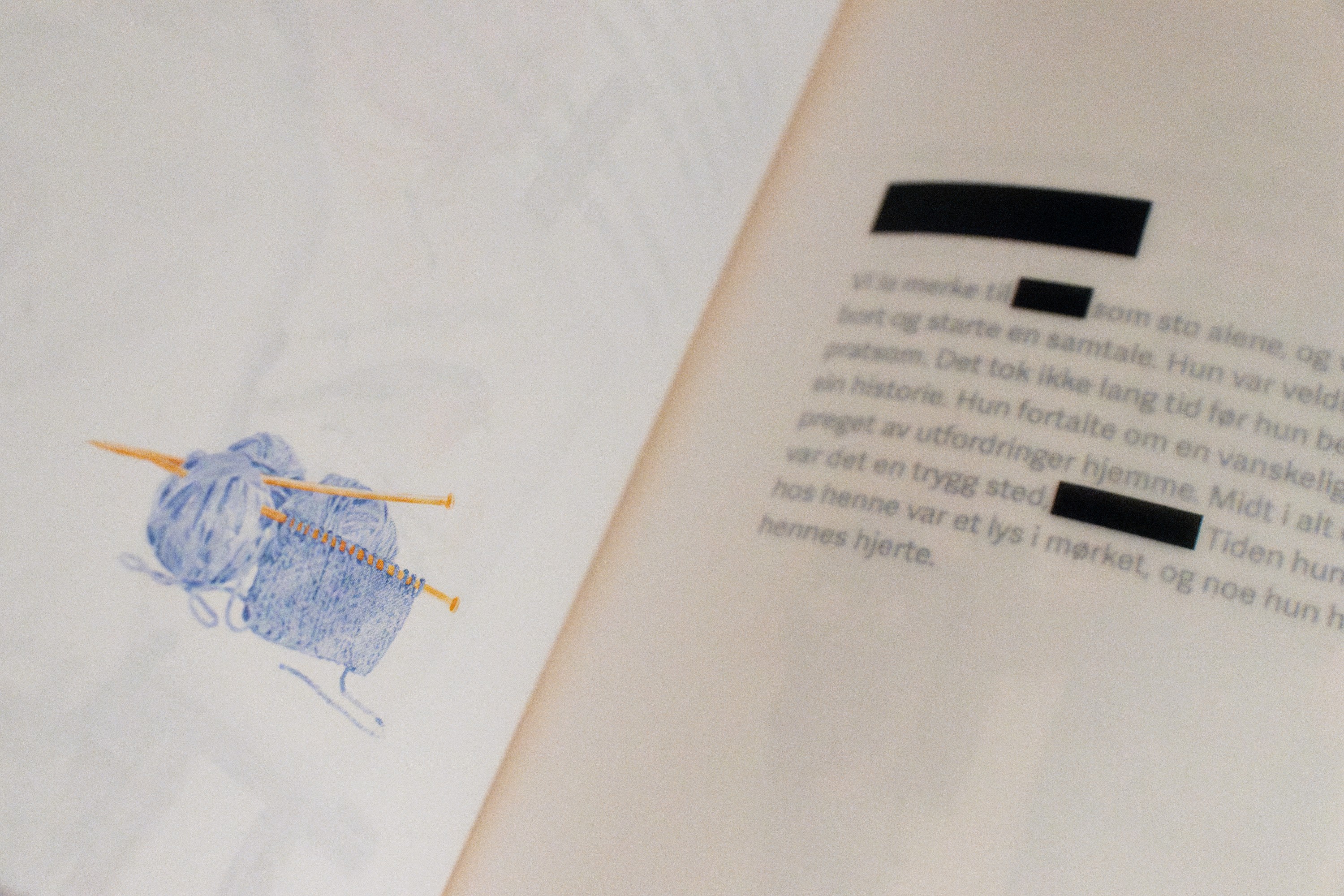
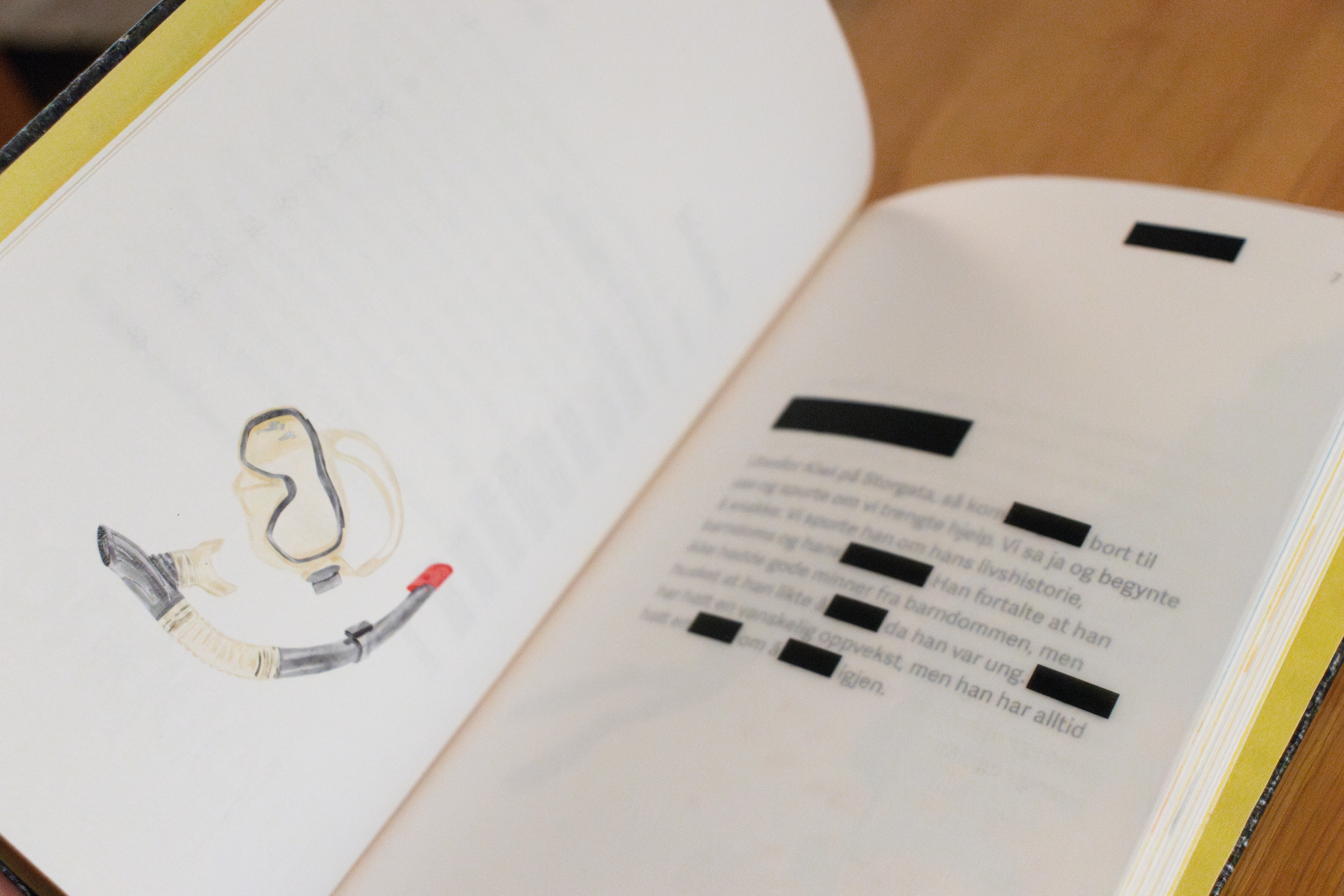
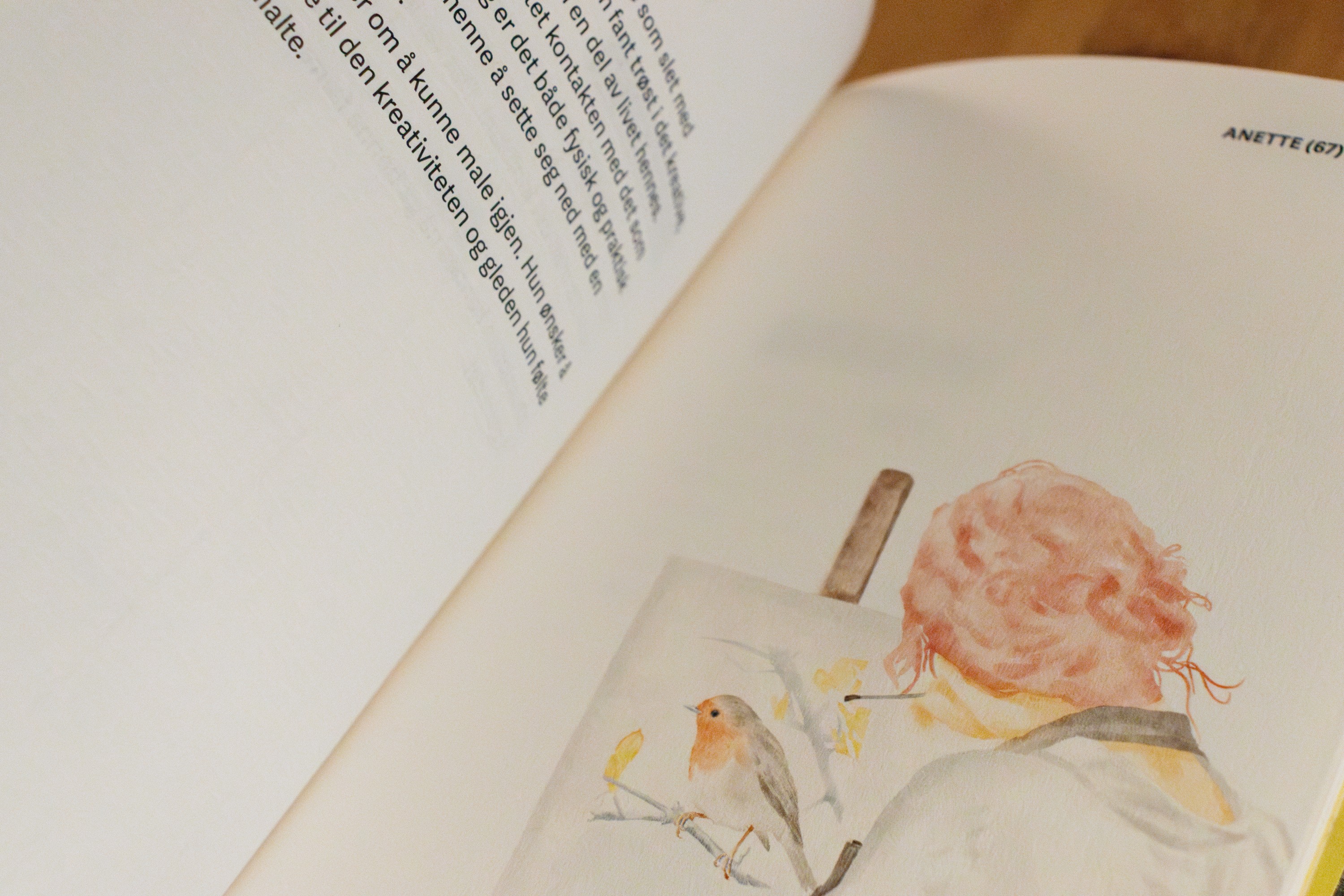
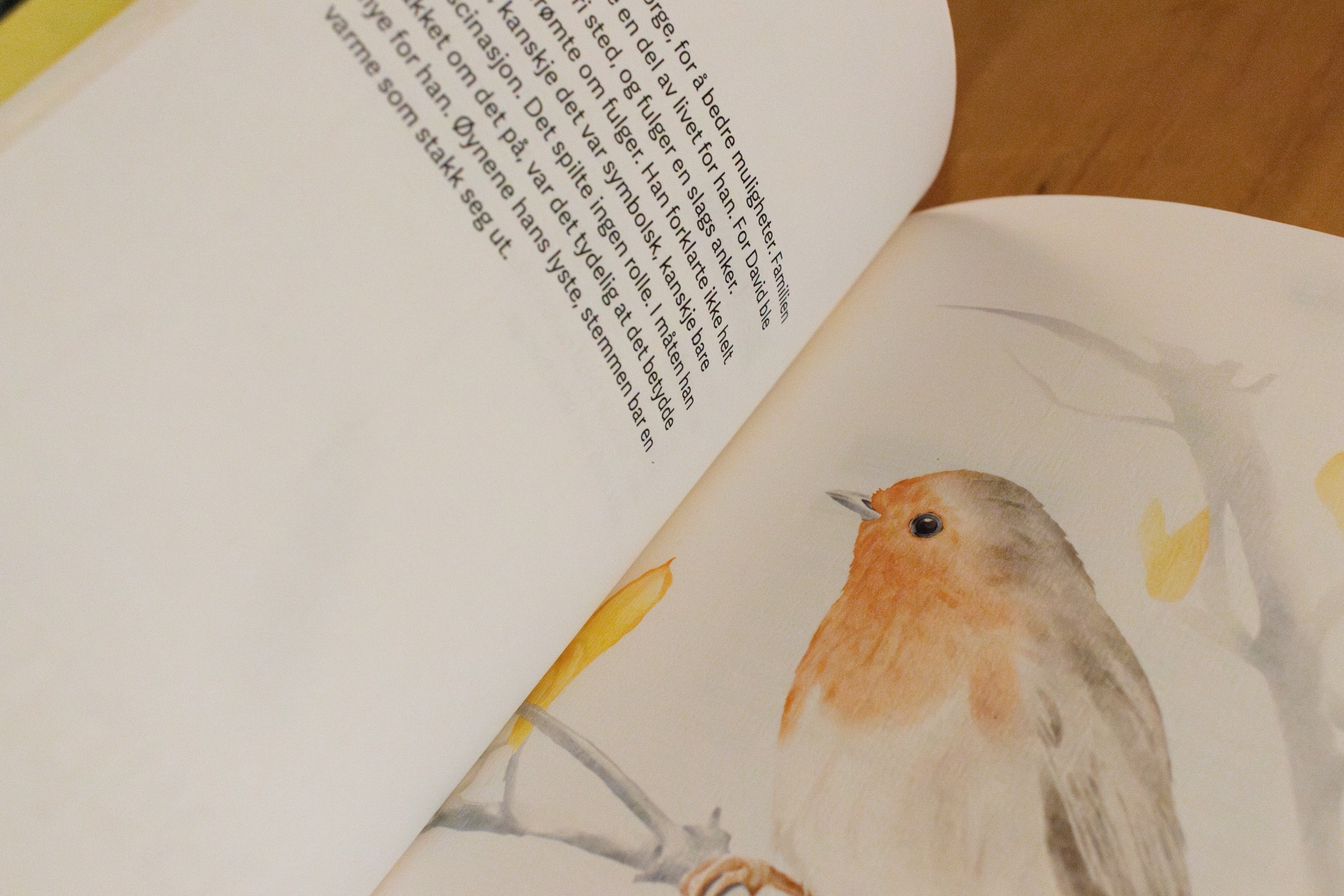
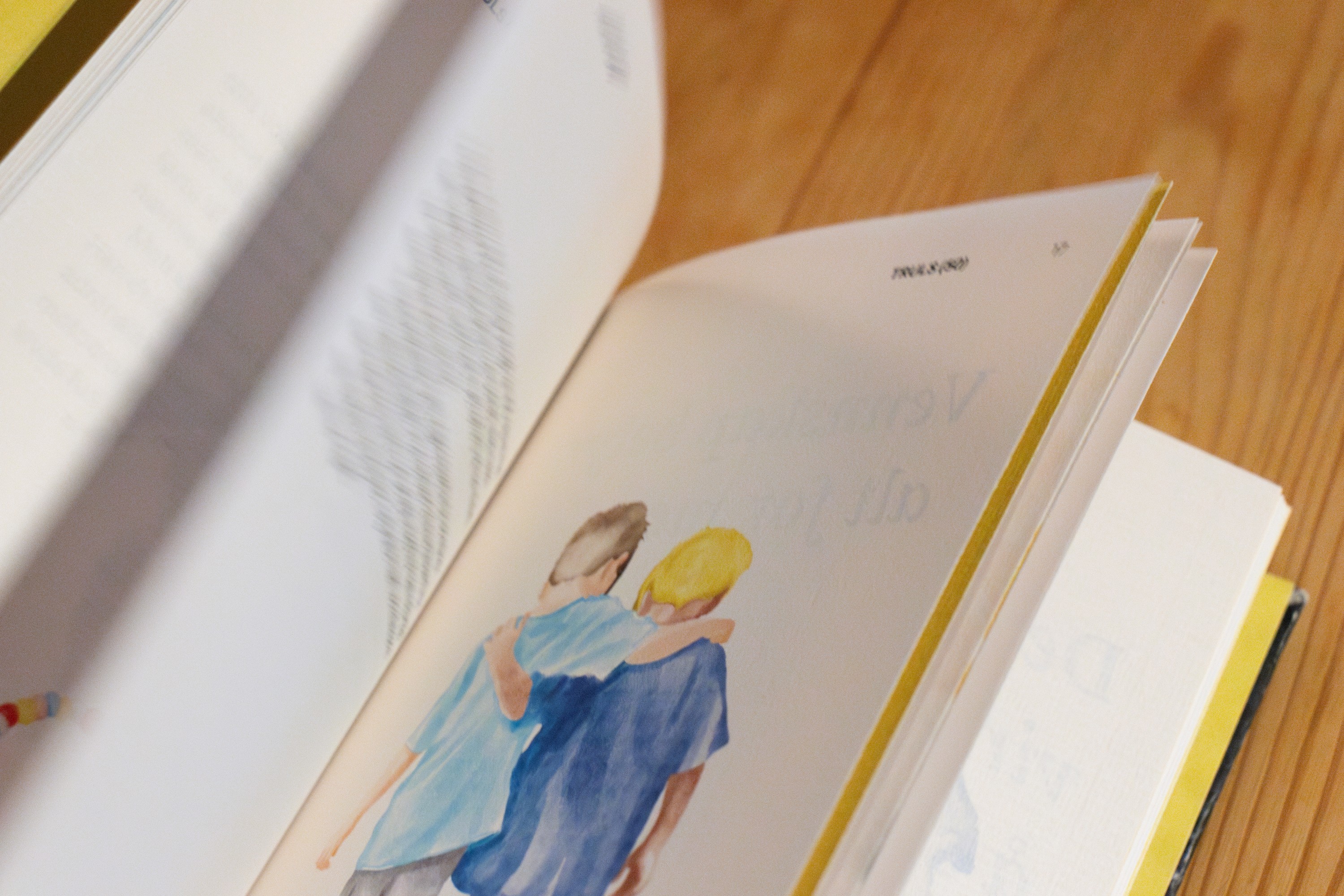
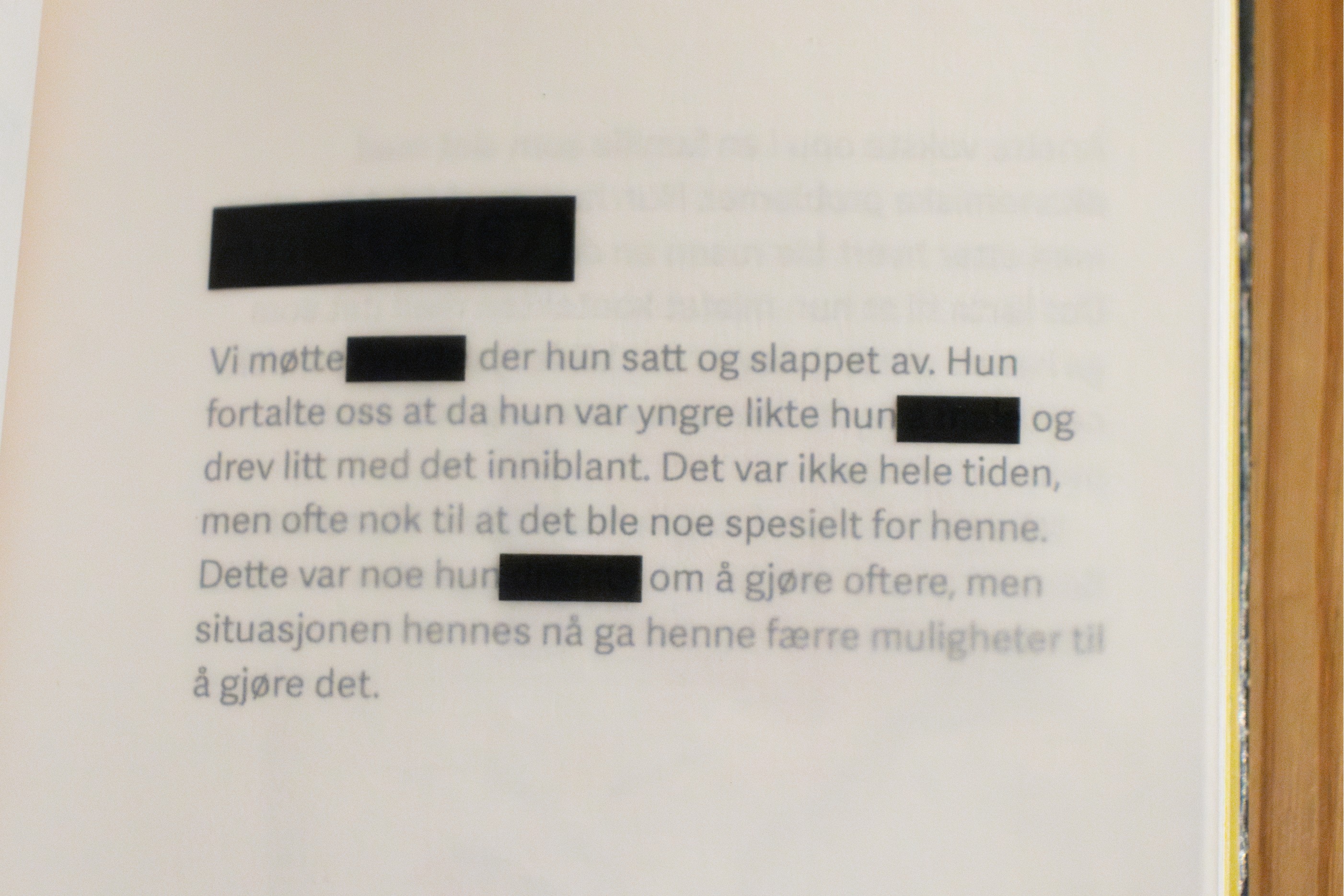
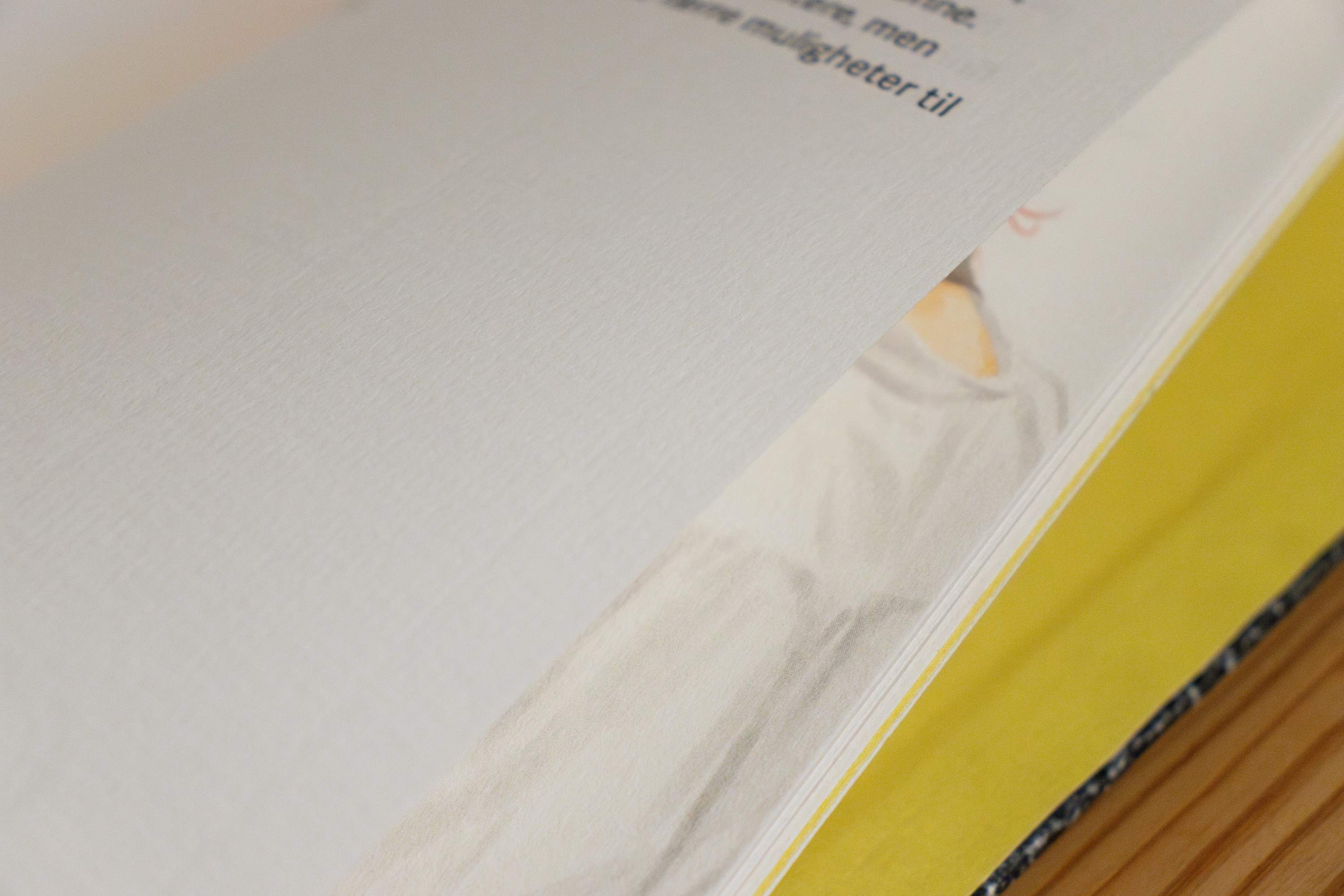
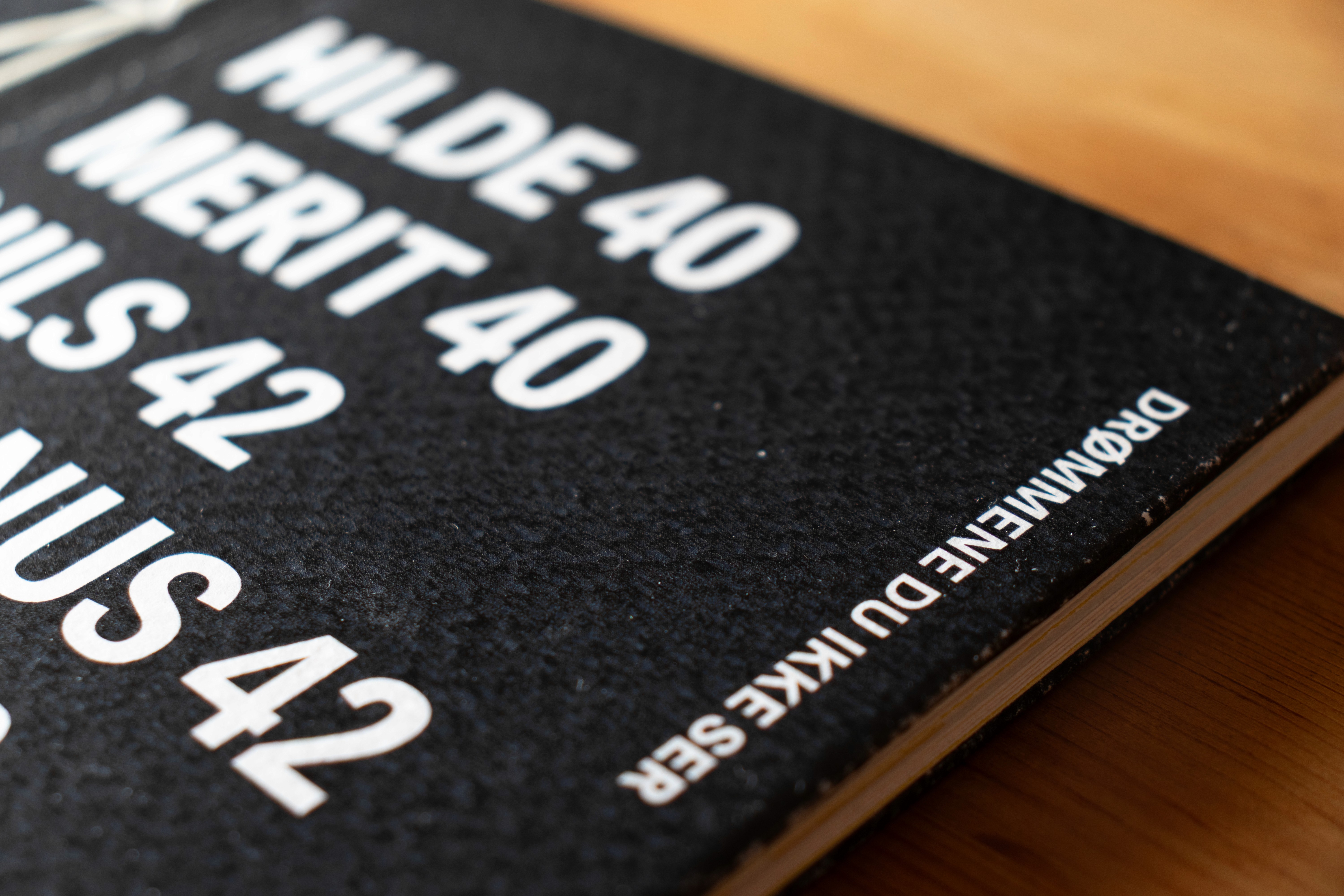
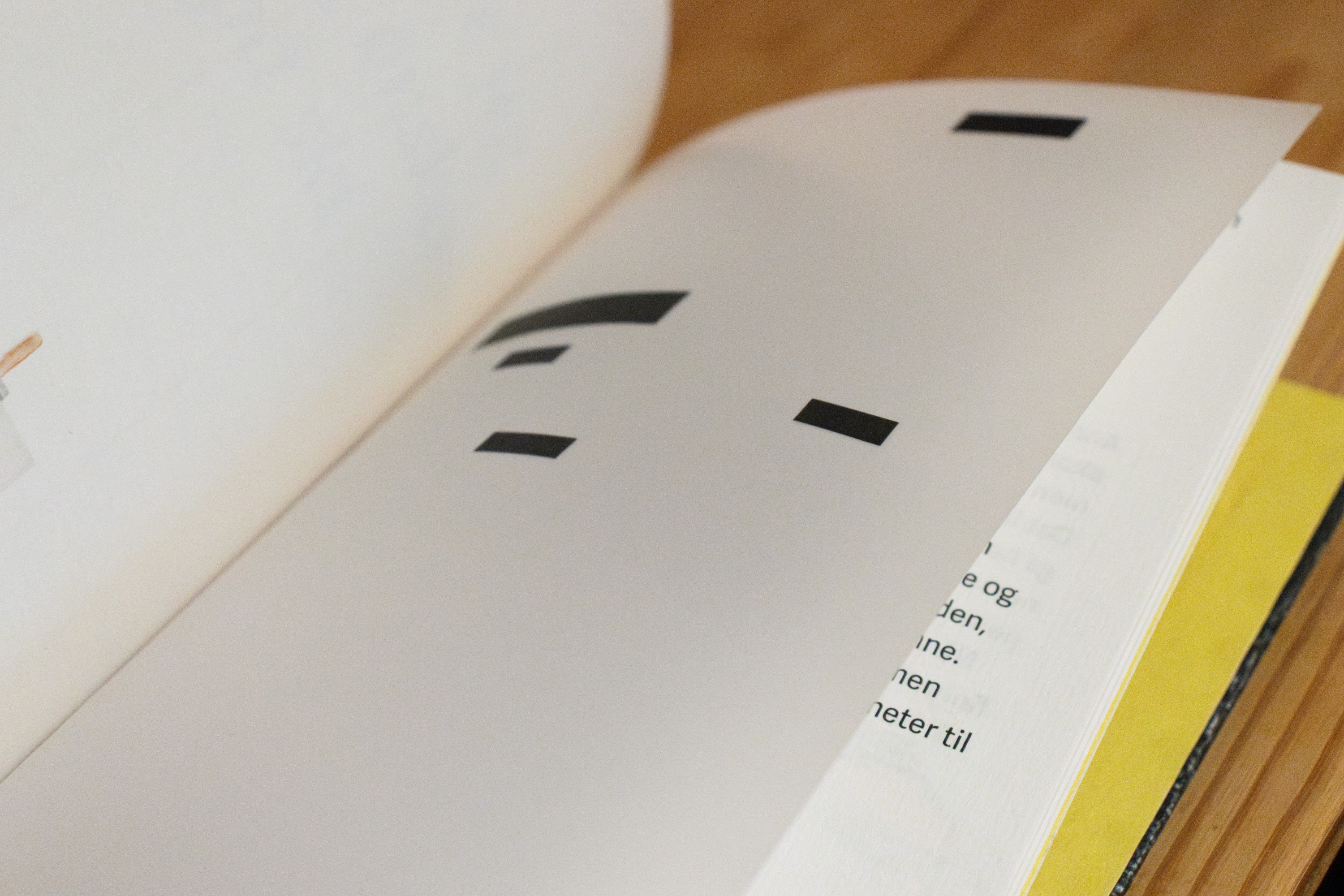
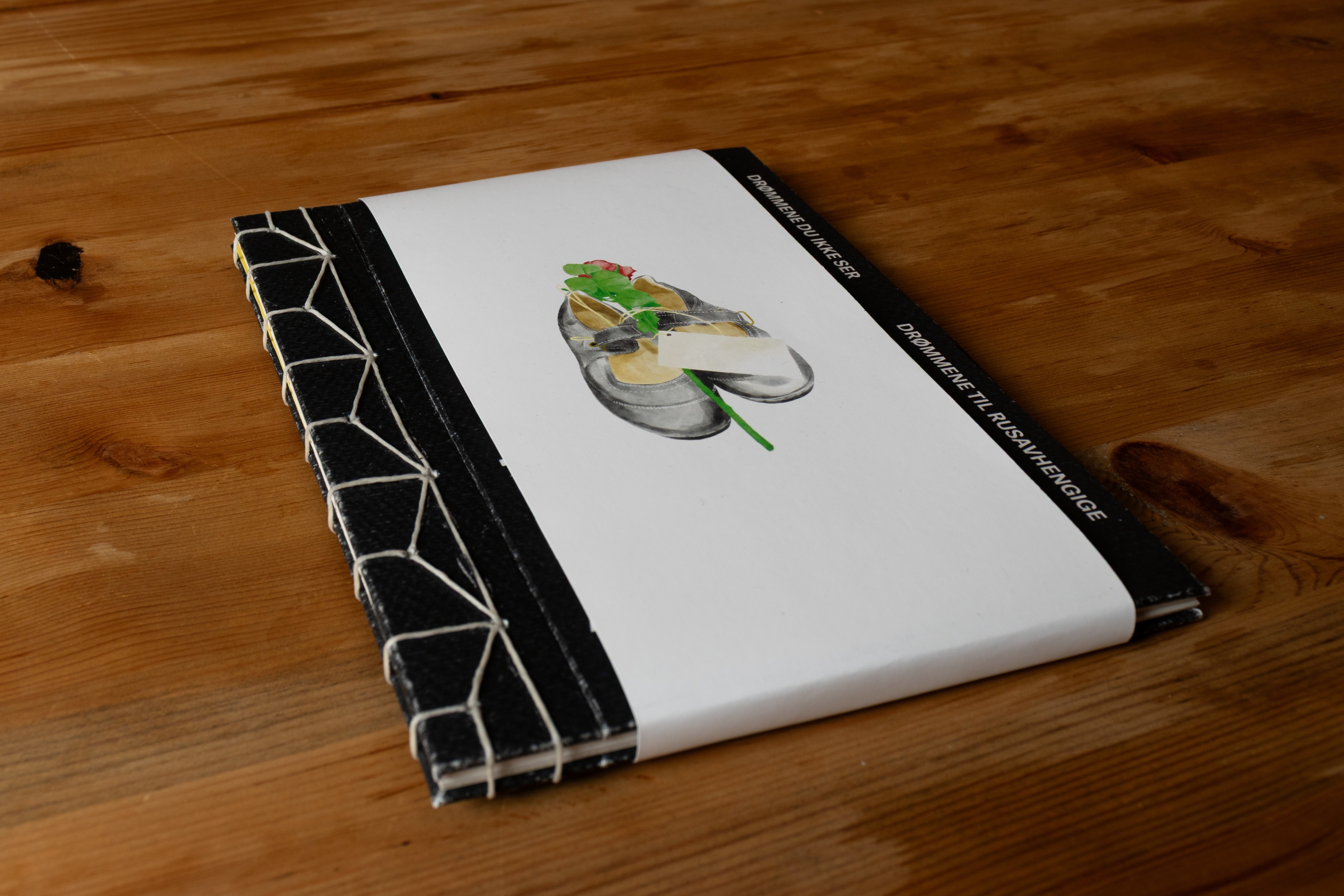
The book uses carefully selected paper stocks to strengthen both the tactile experience and the conceptual narrative. The interior pages are printed on Conqueror Laid Brilliant White 100g, an uncoated paper with subtle texture that echoes the surface of watercolour paper and enhances the softness of the illustrations. The cover is produced on Canon Fine Art 250g, a heavier and more textured stock that gives the exterior a rough, almost resistant quality, creating a deliberate contrast to the delicate interior.
The opaque pages are made from tracing paper 110g, allowing a semi-transparent effect that reinforces the theme of concealment and partial visibility. The vertical belly band is printed on IJM153 Matt 180g, providing enough structure to function as both a visual and symbolic layer. The book is supported by 1.5mm book board, ensuring durability while maintaining a handcrafted feel.